

Help teens recognize, understand, and express express themselves honestly and say what you mean with this actionable lesson from the Self-Built Teens Workbook. Whether it's conquering anxiety, fostering mindfulness, or building emotional resilience, Lesson C sets the stage for meaningful growth.
Positive Self-Talk
“I communicate clearly.”
How to Use This Lesson
1. Meet the Powerful You Teen
Introduce Communicating Claire and the lesson theme, Communicate Clearly. Talk about how expressing our thoughts, feelings, and needs helps build healthy relationships. Ask teens, “Have you ever stayed quiet because you were afraid of hurting someone's feelings or starting an argument?”
2. Practice Positive Self-Talk
Introduce Claire's phrase: “I communicate clearly.” Encourage teens to repeat it silently and notice how their thoughts influence the way they express themselves. Discuss how replacing thoughts such as “I don't want to hurt anyone's feelings” with supportive self-talk can help them speak honestly, respectfully, and confidently.
3. Breathe & Stretch
Use the FREE 5-minute classroom chair-stretch video below or lead the Neck Stretch from the Self-Built Teens book. Practice gently stretching the neck, shoulders, and upper back while breathing slowly. Encourage teens to notice where they hold tension and how releasing that tension can help them feel more comfortable communicating.
4. Read the Story & Reflect
Read Claire's story from the Self-Built Teens book. Discuss how Claire struggled to maintain friendships because she kept her feelings and needs to herself. Explore how speaking honestly and using a gentle tone helped her build healthier relationships. Use the reflection and journaling prompts for discussion, partner sharing, or private writing. Practice completing the statement, “I feel _____ when _____. I need _____.” Ask, “How can expressing your needs clearly help prevent misunderstandings?”
5. Connect with a Breaker Activity
If time permits, use Claire's Nonverbal Communication Group Activity from the book. Write different body-language behaviors on note cards, such as rolling your eyes, crossing your arms, yawning, tapping your fingers, or looking at your phone. Invite teens to act out the behaviors without speaking while others share what they think each action communicates. Discuss how body language can be interpreted differently and why checking our assumptions is important.
6. Display the Skill Sign
Display Communicating Claire's The Power of Words skill sign to reinforce the lesson. Review the six tips: Refuse Guilt, 2 Edges, Energy, Uplift, Virus, and A Force. Discuss how words can encourage or hurt, why gossip can damage relationships, and how clear communication helps us express our needs and boundaries. Invite teens to choose one way they can use their words to build themselves or someone else up.
7. Practice at Home
Encourage teens to continue practicing clear communication outside the classroom. Share the FREE 20-minute home yoga video or the 5-minute parent chair-stretch video below. Invite teens and families to practice breathing, listening, and expressing their feelings and needs with honesty and kindness.
Don’t Have the Workbook Yet? Get the Self-Built Teens Workbook—Empower Teens Today
With Self-Built Teens Workbook, each lesson builds confidence, resilience, and emotional awareness. Lesson A is just the beginning of a journey toward empowerment and thriving.
Start Building Confidence Today : Explore the A-to-Z Guide Now
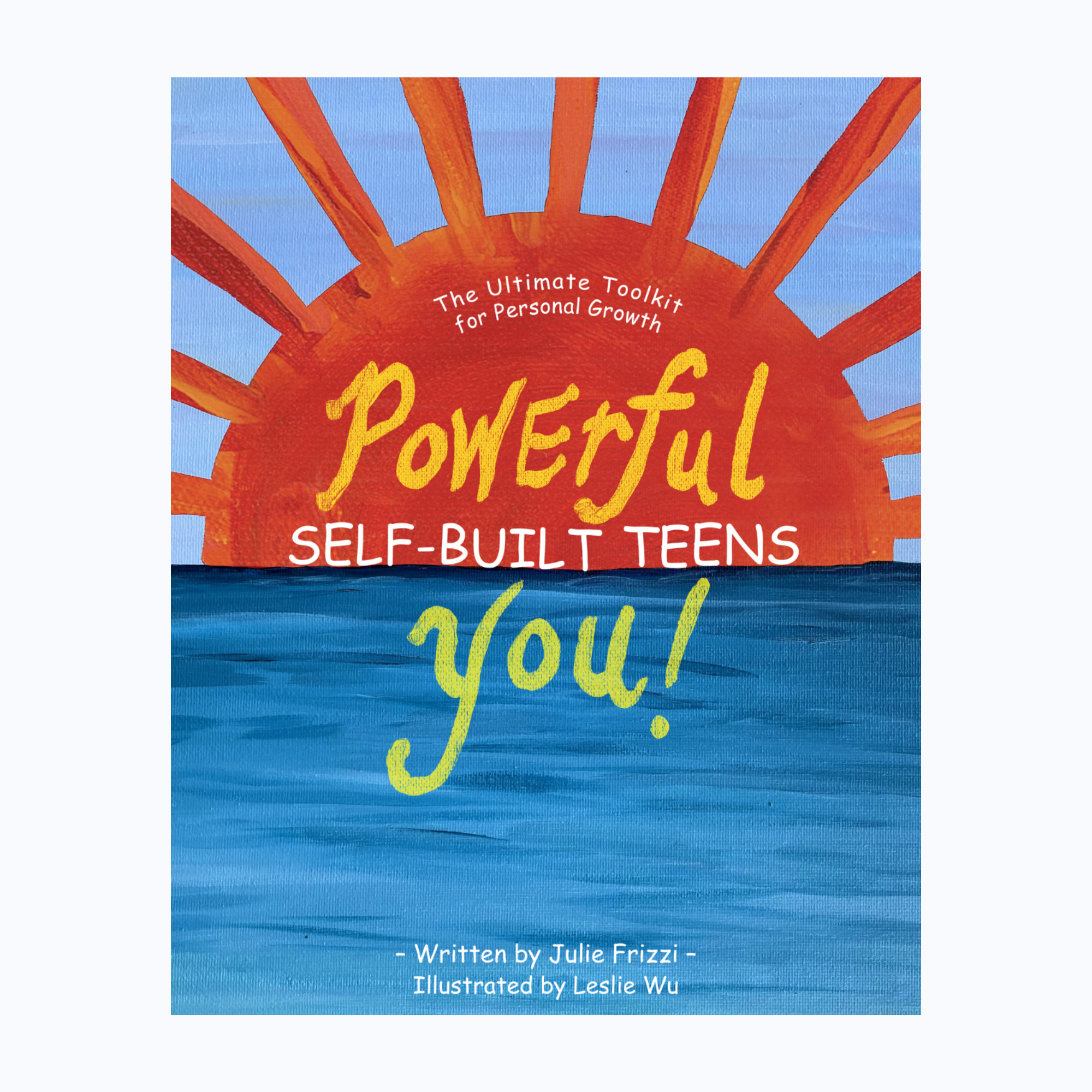
Help teens build confidence, connection, and essential life skills—one letter at a time!
Powerful You: Self-Built Teens is an engaging A–Z life skills workbook designed for parents, school counselors, educators, and anyone supporting teens.
Each lesson includes a short, relatable story and reflective turn-and-talk prompts that encourage meaningful conversations, self-awareness, positive choices, and stronger relationships.
What's Inside:
26 A–Z life skills lessons
Short stories that spark reflection and discussion
Turn-and-talk prompts that build connection
Mindful chair stretches to release tension and re-energize learning
Practical activities that encourage problem-solving and self-management
Inspired by Real Teens
As a district school counselor, Julie Frizzi listened to students share what would help them feel more connected at school. Their ideas included short movement breaks, time to reflect with classmates, and fun icebreaker activities.
Self-Built Teens brings those ideas together in an easy-to-use resource that helps teens discover their strengths, build relationships, and develop tools for everyday life.
Free Stretching Videos
Visit the Self-Built Teens section of the Powerful You website for free stretching videos that accompany each of the 26 lessons.
Want the Matching Life Skill Signs?
Explore the Self-Built Teens Bundle, which includes the printed book and a digital collection of all 26 matching life skill signs.
Format: Printed book
Powerful You — Breathe • Stretch • Life Skills