

Help teens recognizes that curiosity is the key to knowledge with this actionable lesson from the Self-Built Teens Workbook. Whether it's conquering anxiety, fostering mindfulness, or building emotional resilience, Lesson K sets the stage for meaningful growth.
Positive Self-Talk
“I kindle my curiosity.”
How to Use This Lesson
1. Meet the Powerful You Teen
Introduce Kindling Kinzley and the lesson theme, Kindle Curiosity. Talk about how curiosity helps us discover new interests, develop skills, and explore possibilities. Ask teens, “Have you ever wanted to ask a question but stayed quiet because you were afraid of what others might think?” Discuss how being curious takes courage and how asking questions can lead to exciting discoveries.
2. Practice Positive Self-Talk
Introduce Kinzley's phrase: “I kindle my curiosity.” Encourage teens to repeat it silently and notice how their thoughts influence their willingness to learn and try new things. Discuss how replacing limiting thoughts such as “People will laugh at me” with supportive thoughts like “I learn new things every day” can help them become more confident learners. Remind teens that curiosity begins when we give ourselves permission to wonder.
3. Breathe & Stretch
Use the FREE 5-minute classroom chair-stretch video below or lead the Half Moon Stretch from the Self-Built Teensbook. Begin standing behind a sturdy chair with both hands resting on its front to form a tabletop position. Press into the chair while lifting the left leg straight behind you, turning the toes toward the ceiling to stretch the hips. If comfortable and balanced, lift the left arm and gently rotate the rib cage toward the ceiling. Breathe slowly, then switch sides. Encourage teens to explore how movement feels in their bodies with curiosity rather than judgment.
4. Read the Story & Reflect
Read Kinzley's story from the Self-Built Teens book. Discuss how Kinzley stayed quiet during science lectures because she worried others would laugh at her questions. Explore how overcoming that fear led her to discover surfing, fishing, and a passion for protecting the environment. Use the reflection and journaling prompts for discussion, partner sharing, or private writing. Ask, “What new activities would you like to try?” and “What are you curious or excited about that could become part of your future?”
5. Connect with a Breaker Activity
If time permits, use Kinzley's Curiosity Group Activity from the book. Invite each teen to write three fun facts about themselves on a sticky note without including their name. Facts might describe favorite places, foods, hobbies, or adventures. Collect the notes and read them aloud one at a time while the group guesses who wrote each one. Discuss how curiosity helps us discover unexpected things about others and build connections through shared interests.
6. Display the Skill Sign
Display Kindling Kinzley's Kindle Curiosity: Tools to Ignite Possibility skill sign to reinforce the lesson. Explore the six strategies: Change Frustration into Discovery, Ask Open-Ended Questions, Try a Beginner's Mind, Wonder Instead of Worry, Take a Curiosity Walk, and Change Your Mindset. Discuss how asking “What if?” or “Why?” can turn everyday experiences into opportunities for learning. Encourage teens to replace “I don't know” with “I want to learn.” Invite them to choose one strategy to practice during the week. Reinforce the message, “Curiosity turns the ordinary into adventure.”
7. Practice at Home
Encourage teens to continue kindling their curiosity outside the classroom. Share the FREE 20-minute home yoga video or the 5-minute parent chair-stretch video below. Invite teens and families to explore breathing, movement, and positive self-talk with a beginner's mind. Encourage teens to try something new, ask a thoughtful question, or investigate a topic that sparks their interest during the week.
Chair Stretch Video
Parent Chair Stretch Video
20-Minute Home Yoga Video
Journaling Song
Don’t Have the Workbook Yet? Get the Self-Built Teens Workbook—Empower Teens Today
With Self-Built Teens Workbook, each lesson builds confidence, resilience, and emotional awareness. Lesson A is just the beginning of a journey toward empowerment and thriving.
Start Building Confidence Today : Explore the A-to-Z Guide Now
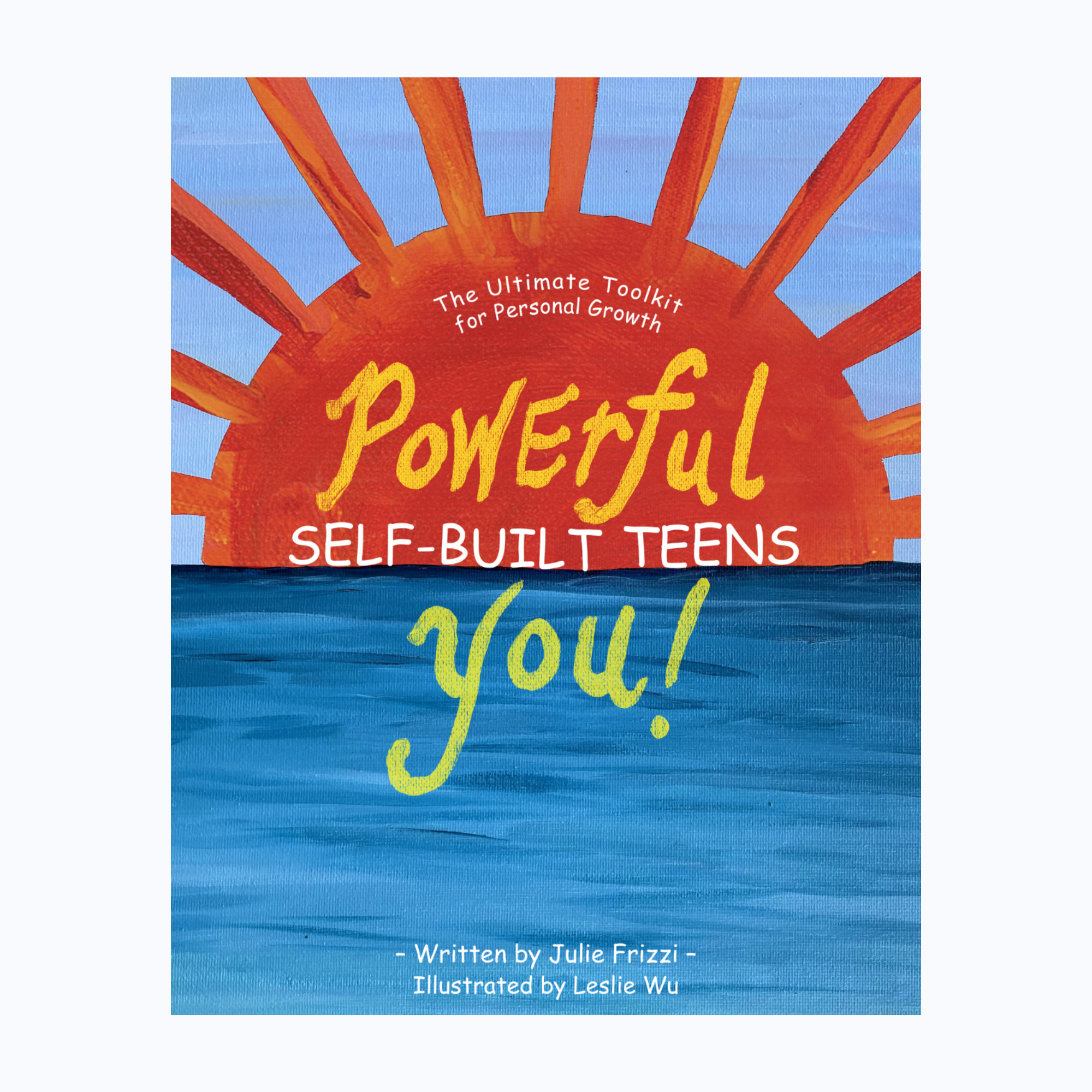
Help teens build confidence, connection, and essential life skills—one letter at a time!
Powerful You: Self-Built Teens is an engaging A–Z life skills workbook designed for parents, school counselors, educators, and anyone supporting teens.
Each lesson includes a short, relatable story and reflective turn-and-talk prompts that encourage meaningful conversations, self-awareness, positive choices, and stronger relationships.
What's Inside:
26 A–Z life skills lessons
Short stories that spark reflection and discussion
Turn-and-talk prompts that build connection
Mindful chair stretches to release tension and re-energize learning
Practical activities that encourage problem-solving and self-management
Inspired by Real Teens
As a district school counselor, Julie Frizzi listened to students share what would help them feel more connected at school. Their ideas included short movement breaks, time to reflect with classmates, and fun icebreaker activities.
Self-Built Teens brings those ideas together in an easy-to-use resource that helps teens discover their strengths, build relationships, and develop tools for everyday life.
Free Stretching Videos
Visit the Self-Built Teens section of the Powerful You website for free stretching videos that accompany each of the 26 lessons.
Want the Matching Life Skill Signs?
Explore the Self-Built Teens Bundle, which includes the printed book and a digital collection of all 26 matching life skill signs.
Format: Printed book
Powerful You — Breathe • Stretch • Life Skills