
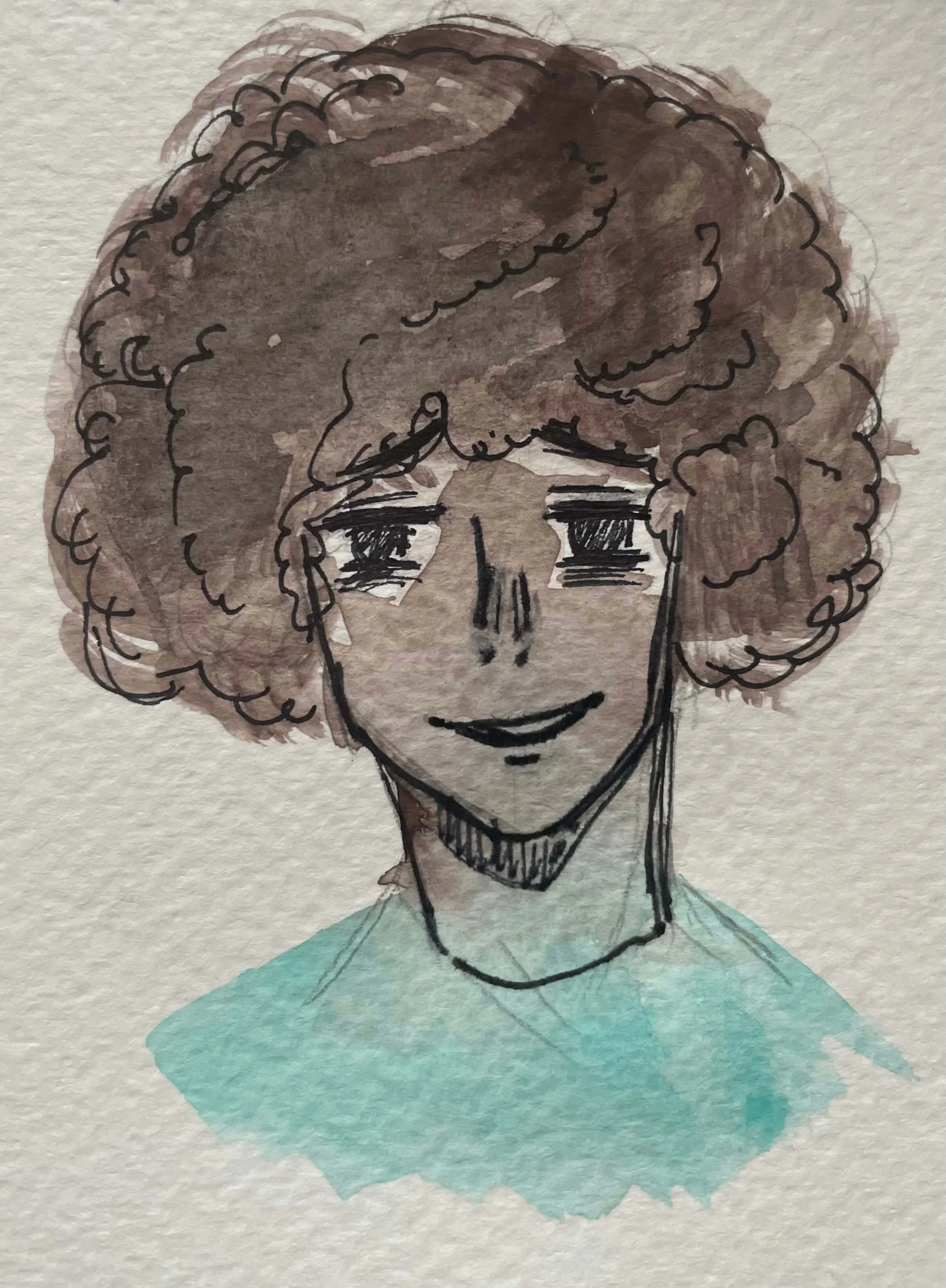
Help teens recognize that they are surrounded by beauty with the actionable lesson from the Self-Built Teens Workbook. Whether it's conquering anxiety, fostering mindfulness, or building emotional resilience, Lesson Y sets the stage for meaningful growth.
Positive Self-Talk
“I yield to the universe.”
How to Use Lesson Y
1. Meet the Powerful You Teen
Introduce Yielding Yahir and the lesson theme, Yield to the Universe.
Discuss how life sometimes feels overwhelming, especially when we are trying to control everything or solve every problem ourselves.
Explain that yielding doesn't mean giving up. It means allowing ourselves to experience feelings, accepting what we cannot control, and recognizing when we need support.
2. Practice Positive Self-Talk
Introduce Yahir's phrase: “I yield to the universe.”
Invite teens to repeat it quietly while breathing slowly.
Discuss the difference between giving up and letting go of unnecessary struggle.
Encourage teens to think of something they have been trying hard to control.
Ask: “What might happen if you allowed yourself to pause, accept how you feel, and ask for help?”
3. Breathe & Stretch
Use the free 5-minute classroom chair-stretch video below or practice Thread the Needle Stretch from the Self-Built Teens book.
Begin seated with your left hand resting on your knee.
Reach your right hand behind you and gently rotate your rib cage open. Breathe and notice the opening around your heart.
Next, slide your right arm underneath your left arm, palm facing upward.
Rest your right shoulder on your desk or thigh and gently turn your gaze to the left.
Take several slow breaths, allowing tension to soften.
Release and switch sides.
Remind teens that they can practice letting go of physical tension without having to solve everything in that moment.
4. Read the Story & Reflect
Read Yahir's story from the Self-Built Teens book.
Discuss how Yahir felt as though he was constantly paddling upstream. He felt invisible, hid his struggles from others, and eventually reached out to a professional for support.
Explore how accepting his feelings and receiving help allowed him to begin moving toward hope.
Use the book's reflection prompts:
Where could a friend who is hurting find help at school or in the community?
What could you do to support someone who is feeling down?
What indoor or outdoor activities brighten your day?
Where is your personal place of power?
Emphasize that asking for help is a sign of strength, and difficult feelings do not have to be faced alone.
5. Connect with a Breaker Activity
If time permits, explore Clear Space = Clear Mind from the book.
Invite teens to choose one small space they can organize to create a greater sense of calm.
Backpack Dump: Remove unnecessary items, clean out the backpack, and organize important supplies.
Technology Dump: Organize digital files, remove unnecessary clutter, and choose a calming desktop background.
Discuss how creating order in our surroundings can sometimes help us feel less overwhelmed.
6. Display the Skill Sign
Display Yield to the Universe: Evening Tools for Sleep, featuring Yielding Yahir.
Explore the five calming practices:
Review Your Day: Rest with your legs up the wall, place your hands over your heart, and gently reflect on the day.
Scan Your Body: Relax your forehead, soften your shoulders, and notice your body becoming heavy.
Place Worries in the Universe: Imagine placing worries into a flowing river and watching them float away with each exhale.
Recognize Shimmers: Identify one positive moment, accomplishment, or small win from the day.
Yield: Remind yourself that you do not need to figure everything out tonight. Rest is important, and tomorrow offers another opportunity.
Invite teens to choose one practice they could use before bedtime.
Reinforce the sign's message:
“Surrender tonight. Trust tomorrow. You are exactly where you need to be.”
7. Practice at Home
Encourage teens to create a short evening routine using one or more of Yahir's calming practices.
They might spend a few minutes reflecting on their day, relaxing their bodies, imagining worries floating away, or recognizing something good that happened.
Invite them to remember that they can let go of the pressure to solve every problem before going to sleep.
If a worry feels too heavy to manage alone, encourage them to reach out to a trusted adult, school counselor, or other supportive professional.
Share the free 20-minute home yoga video or 5-minute parent chair-stretch video below to encourage relaxation and mindful movement at home.
Chair Stretch Video
Parent Chair Stretch Video
20-Minute Home Yoga Video
Journaling Song
Don’t Have the Workbook Yet? Get the Self-Built Teens Workbook—Empower Teens Today
With Self-Built Teens Workbook, each lesson builds confidence, resilience, and emotional awareness. Lesson A is just the beginning of a journey toward empowerment and thriving.
Start Building Confidence Today : Explore the A-to-Z Guide Now
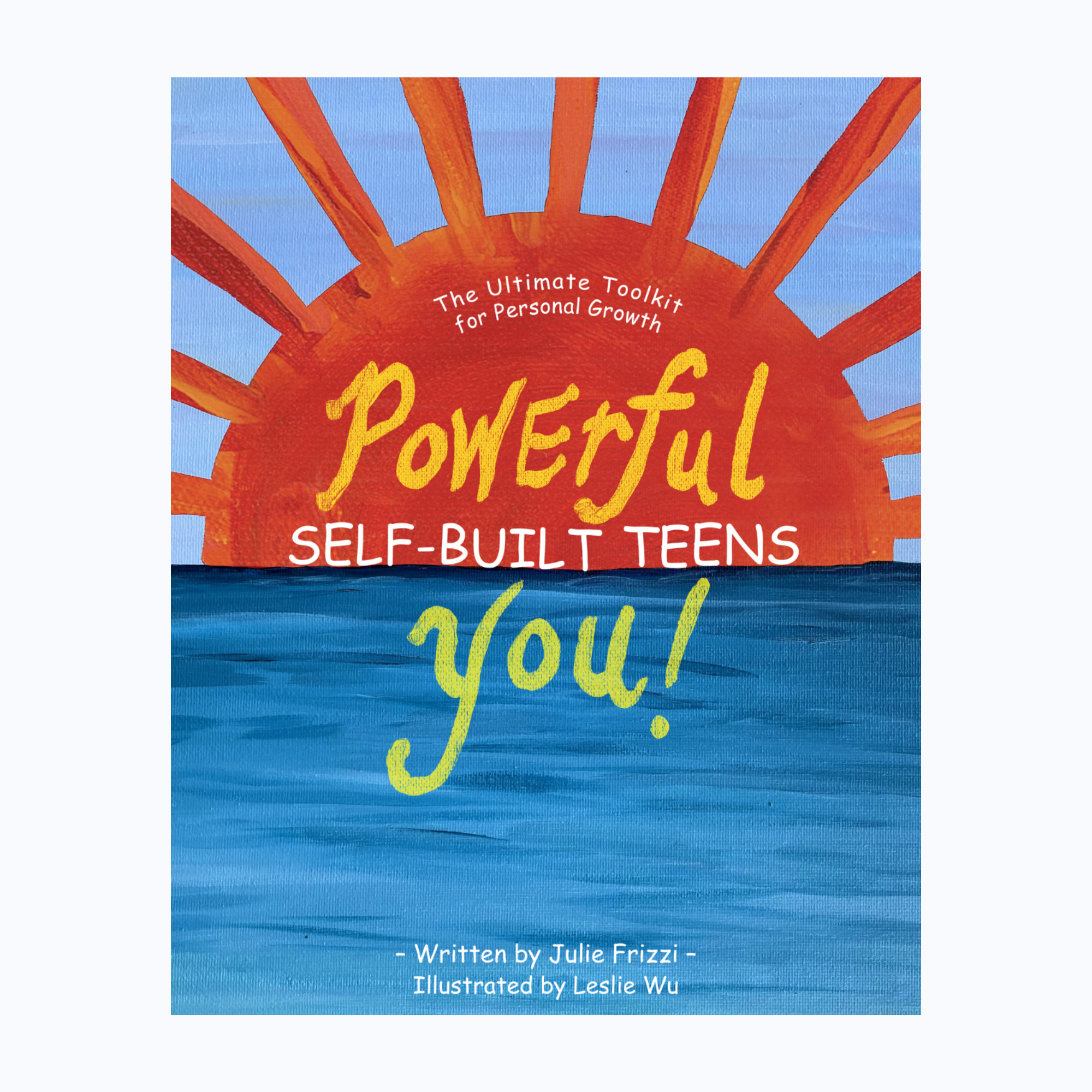
Help teens build confidence, connection, and essential life skills—one letter at a time!
Powerful You: Self-Built Teens is an engaging A–Z life skills workbook designed for parents, school counselors, educators, and anyone supporting teens.
Each lesson includes a short, relatable story and reflective turn-and-talk prompts that encourage meaningful conversations, self-awareness, positive choices, and stronger relationships.
What's Inside:
26 A–Z life skills lessons
Short stories that spark reflection and discussion
Turn-and-talk prompts that build connection
Mindful chair stretches to release tension and re-energize learning
Practical activities that encourage problem-solving and self-management
Inspired by Real Teens
As a district school counselor, Julie Frizzi listened to students share what would help them feel more connected at school. Their ideas included short movement breaks, time to reflect with classmates, and fun icebreaker activities.
Self-Built Teens brings those ideas together in an easy-to-use resource that helps teens discover their strengths, build relationships, and develop tools for everyday life.
Free Stretching Videos
Visit the Self-Built Teens section of the Powerful You website for free stretching videos that accompany each of the 26 lessons.
Want the Matching Life Skill Signs?
Explore the Self-Built Teens Bundle, which includes the printed book and a digital collection of all 26 matching life skill signs.
Format: Printed book
Powerful You — Breathe • Stretch • Life Skills