
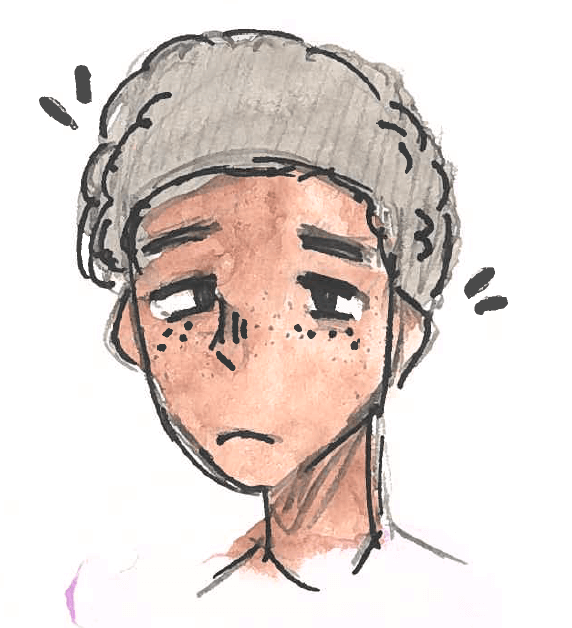
Help teens recognize the power of making amends with this actionable lesson from the Self-Built Teens Workbook. Whether it's conquering anxiety, fostering mindfulness, or building emotional resilience, Lesson M sets the stage for meaningful growth.
Positive Self-Talk
“I move on from resentment.”
How to Use This Lesson
1. Meet the Powerful You Teen
Introduce Moving On Max and the lesson theme, Moving On From Resentment: Healing Hurt, Choosing Peace. Talk about how holding onto anger, disappointment, or hurt can affect our thoughts, relationships, and well-being. Ask teens, “Have you ever replayed something hurtful someone said or did, even long after it happened?” Discuss how acknowledging our feelings and learning to release resentment can help us move forward without pretending the hurt never happened.
2. Practice Positive Self-Talk
Introduce Max's phrase: “I move on from resentment.” Encourage teens to repeat it silently and notice how their thoughts influence their emotions and reactions. Discuss how replacing thoughts such as “People always let me down” with more supportive thinking can help them recognize that one painful experience does not define every relationship. Remind teens that letting go of resentment does not mean excusing harmful behavior or giving up healthy boundaries.
3. Breathe & Stretch
Use the FREE 5-minute classroom chair-stretch video below or lead the Downward Dog Stretch from the Self-Built Teens book. Place both hands on a sturdy chair to create a tabletop position. Straighten the arms and walk the feet slightly backward, allowing the head to relax between the arms as the hips move away from the chair. Hold for three slow breaths, then inhale back to tabletop and exhale into the stretch again. Encourage teens to notice where they hold tension and imagine releasing some of that heaviness with each exhale.
4. Read the Story & Reflect
Read Max's story from the Self-Built Teens book. Discuss how Max held a grudge toward his father and how his unexpressed feelings affected his emotional and physical well-being. Explore how Max planned a difficult conversation, then chose to express his feelings in a letter when his father refused to meet. Writing helped Max work through his anger and begin moving forward. Use the reflection and journaling prompts for discussion, partner sharing, or private writing. Ask, “How can holding onto anger affect your well-being?” and “What might a genuine apology sound like?”
5. Connect with an Activity
If time permits, use Max's Moving On Letter Writing Activity from the book. Invite teens to privately write a letter to someone who has hurt them. Encourage them to describe their feelings, acknowledge how the experience affected them, consider the other person's perspective, and identify anything they appreciate about that person, if appropriate. They can finish by expressing what they are ready to release. Remind teens that the letter is for their own reflection and does not need to be shared or sent. They may choose to tear it up afterward as a symbolic act of letting go. Allow teens to keep their writing private or choose a less personal situation if they prefer.
6. Display the Skill Sign
Display Moving On Max's Moving On From Resentment: Healing Hurt, Choosing Peace skill sign to reinforce the lesson. Review the five strategies: Name It, Pause It, Say It, Adjust It, and Release It. Discuss how identifying what actually hurt, taking three slow breaths, communicating feelings calmly, and focusing on personal boundaries and responses can help teens move forward. Invite them to reflect on the question, “Do I want to be right, or do I want to be at peace?” Reinforce the message, “You can't change the past, but you can choose your future.”
7. Practice at Home
Encourage teens to continue practicing emotional awareness and healthy ways to release resentment outside the classroom. Share the FREE 20-minute home yoga video or the 5-minute parent chair-stretch video below. Invite teens and families to explore how breathing, movement, journaling, and positive self-talk can help them process difficult feelings and move forward with greater peace. Remind teens that they can seek support from a trusted adult when hurtful experiences feel too difficult to manage alone.
Chair Stretch Video
Parent Chair Stretch Video
20-Minute Home Yoga Video
Journaling Song
Don’t Have the Workbook Yet? Get the Self-Built Teens Workbook—Empower Teens Today
With Self-Built Teens Workbook, each lesson builds confidence, resilience, and emotional awareness. Lesson A is just the beginning of a journey toward empowerment and thriving.
Start Building Confidence Today : Explore the A-to-Z Guide Now
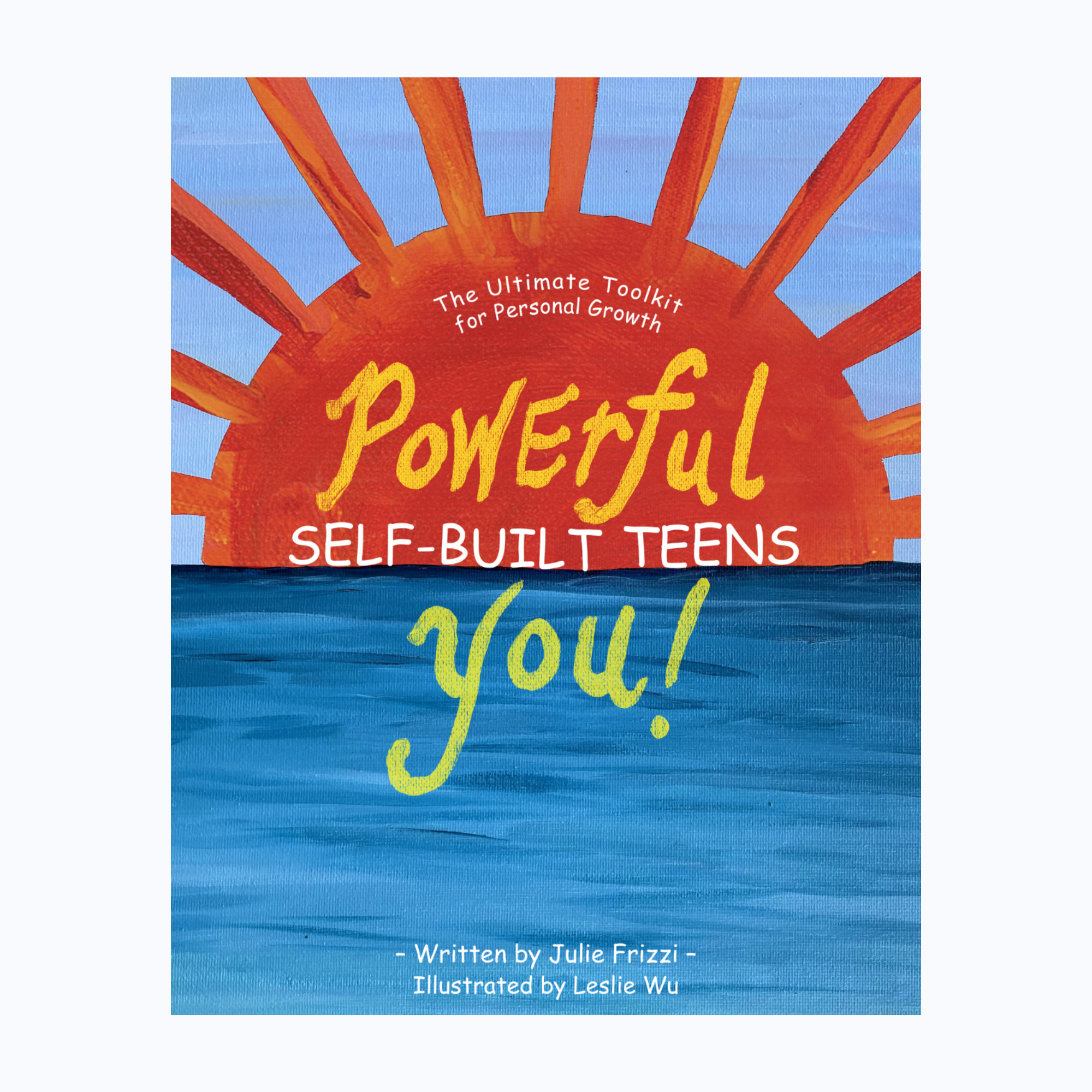
Help teens build confidence, connection, and essential life skills—one letter at a time!
Powerful You: Self-Built Teens is an engaging A–Z life skills workbook designed for parents, school counselors, educators, and anyone supporting teens.
Each lesson includes a short, relatable story and reflective turn-and-talk prompts that encourage meaningful conversations, self-awareness, positive choices, and stronger relationships.
What's Inside:
26 A–Z life skills lessons
Short stories that spark reflection and discussion
Turn-and-talk prompts that build connection
Mindful chair stretches to release tension and re-energize learning
Practical activities that encourage problem-solving and self-management
Inspired by Real Teens
As a district school counselor, Julie Frizzi listened to students share what would help them feel more connected at school. Their ideas included short movement breaks, time to reflect with classmates, and fun icebreaker activities.
Self-Built Teens brings those ideas together in an easy-to-use resource that helps teens discover their strengths, build relationships, and develop tools for everyday life.
Free Stretching Videos
Visit the Self-Built Teens section of the Powerful You website for free stretching videos that accompany each of the 26 lessons.
Want the Matching Life Skill Signs?
Explore the Self-Built Teens Bundle, which includes the printed book and a digital collection of all 26 matching life skill signs.
Format: Printed book
Powerful You — Breathe • Stretch • Life Skills