
Help teens to notice fear in the body and name it with this actionable lesson from the Self-Built Teens Workbook. Whether it's conquering anxiety, fostering mindfulness, or building emotional resilience, Lesson N sets the stage for meaningful growth.
Positive Self-Talk
“I notice and name fear.”
How to Use This Lesson
1. Meet the Powerful You Teen
Introduce Noticing Noa and the lesson theme, Notice and Name Fear: Awareness Gives You Power. Discuss how fear is a natural emotion that can show up when we face something new, unfamiliar, or uncomfortable. Ask teens, “Have you ever wanted to try something but felt too nervous to begin?” Explain that recognizing fear is the first step toward choosing how to respond.
2. Practice Positive Self-Talk
Introduce Noa's phrase: “I notice and name fear.” Encourage teens to repeat it silently and notice how naming an emotion can create space between a feeling and a reaction. Discuss how fearful thoughts such as “I'm not good enough” or “What if I fail?” can influence our behavior. Practice replacing those thoughts with supportive statements such as “I am strong” or “I can take one small step.”
3. Breathe & Stretch
Use the FREE 5-minute classroom chair-stretch video below or lead the Triangle Stretch from the Self-Built Teens book.
Stand in front of a sturdy chair. Place the right foot beneath the chair and step the left foot backward, keeping it grounded. Press the right hand into the chair and gently rotate the left side of the rib cage toward the ceiling. The left arm may rest behind the lower back or extend upward. Breathe slowly and notice the stretch through the body. Repeat on the opposite side.
Encourage teens to observe where they hold tension when they feel afraid and how breathing and movement can help them feel more grounded.
4. Read the Story & Reflect
Read Noa's story from the Self-Built Teens book. Discuss how Noa loved art but felt terrified about speaking with unfamiliar people at her new gallery job. Her racing heart, sweaty palms, and fearful thoughts made her freeze. Instead of avoiding the situation, Noa began acknowledging her fear by saying, “I see you, FEAR.”
Use the book's reflection and journaling prompts for group discussion, partner sharing, or private writing. Ask, “What happens in your body when you're afraid?” and “When might someone worry that they aren't good enough?” Discuss how noticing fear can help us face new experiences with greater awareness and courage.
5. Connect with an Activity
If time permits, use the book's Five Steps to Lessen Fear as a personal awareness activity.
Invite teens to think of a manageable situation that makes them nervous, such as speaking in front of a group, meeting someone new, or trying an unfamiliar activity.
Practice the five steps together:
Notice: Identify where fear appears in the body.
Name: Silently say, “I see you, FEAR.”
Recognize: Notice the fearful thoughts that appear.
Replace: Practice a more supportive thought, such as “I am strong.”
Breathe: Take slow, comfortable breaths.
Allow teens to reflect privately or share what they noticed. Reinforce that courage doesn't require fear to disappear before taking a step forward.
6. Display the Skill Sign
Display Notice and Name Fear: Awareness Gives You Power, featuring Noticing Noa.
Explore the two sections, Fear Looks Like and Fear Sounds Like. Discuss how fear can appear as clenched fists, a racing heartbeat, feeling frozen, racing thoughts, or difficulty concentrating. Then explore common fearful thoughts such as “What if I fail?” and “Everyone is judging me.”
Review the sign's Fear Response Tips: notice fear in the body, name the feeling, breathe, move the body, and reframe fearful thoughts.
Invite teens to choose one strategy they could use the next time fear appears. Reinforce the message:
“See it. Name it. Breathe it. You are stronger than you think!”
7. Practice at Home
Encourage teens to notice moments when fear or worry shows up during everyday life. Invite them to practice naming the feeling, observing their body's response, and choosing a supportive thought or calming movement.
Share the FREE 20-minute home yoga video or the 5-minute parent chair-stretch video below. Encourage families to practice breathing and stretching together and discuss how these tools can support teens when facing new or challenging experiences.
Chair Stretch Video
Parent Chair Stretch Video
20-Minute Home Yoga Video
Journaling Song
Don’t Have the Workbook Yet? Get the Self-Built Teens Workbook—Empower Teens Today
With Self-Built Teens Workbook, each lesson builds confidence, resilience, and emotional awareness. Lesson A is just the beginning of a journey toward empowerment and thriving.
Start Building Confidence Today : Explore the A-to-Z Guide Now
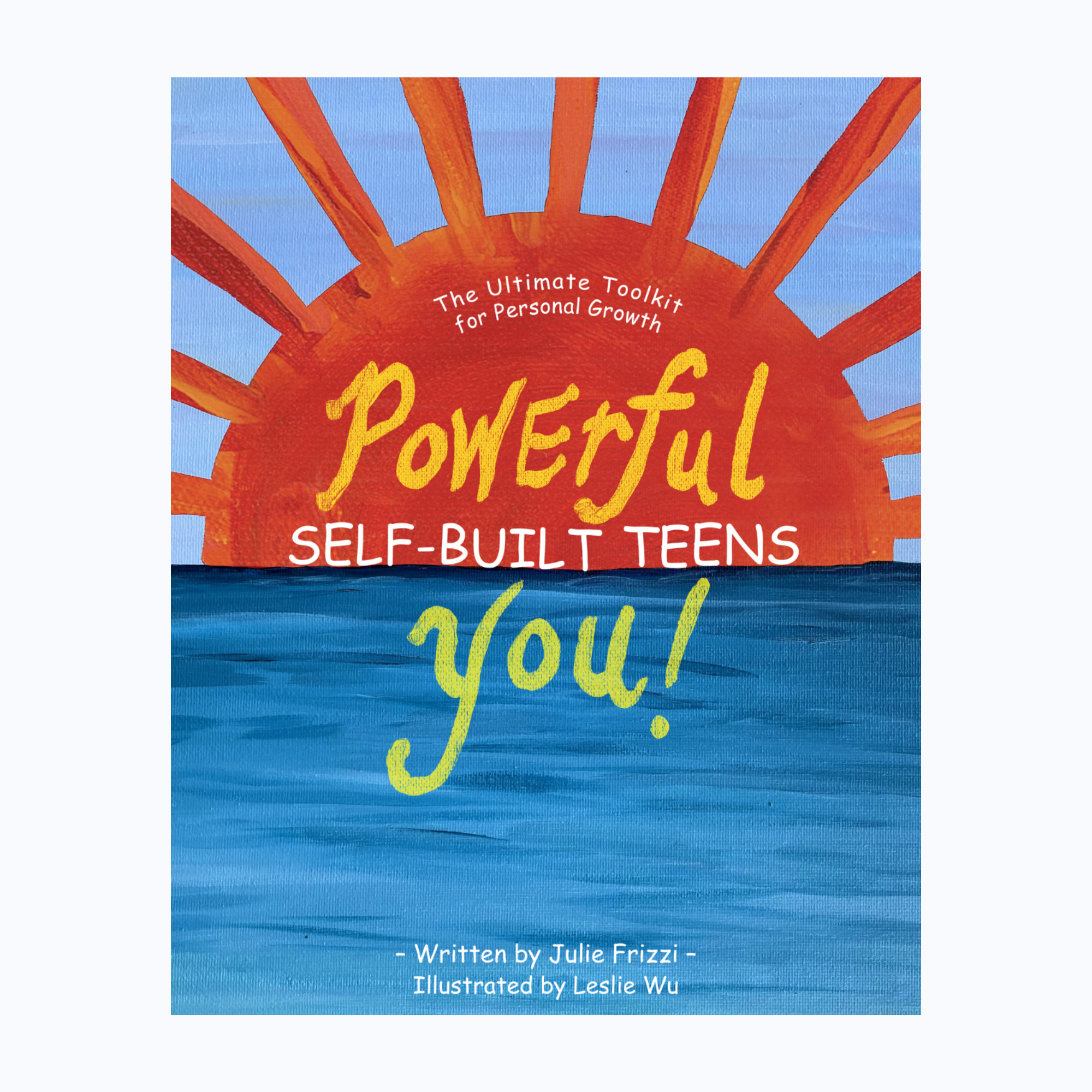
Help teens build confidence, connection, and essential life skills—one letter at a time!
Powerful You: Self-Built Teens is an engaging A–Z life skills workbook designed for parents, school counselors, educators, and anyone supporting teens.
Each lesson includes a short, relatable story and reflective turn-and-talk prompts that encourage meaningful conversations, self-awareness, positive choices, and stronger relationships.
What's Inside:
26 A–Z life skills lessons
Short stories that spark reflection and discussion
Turn-and-talk prompts that build connection
Mindful chair stretches to release tension and re-energize learning
Practical activities that encourage problem-solving and self-management
Inspired by Real Teens
As a district school counselor, Julie Frizzi listened to students share what would help them feel more connected at school. Their ideas included short movement breaks, time to reflect with classmates, and fun icebreaker activities.
Self-Built Teens brings those ideas together in an easy-to-use resource that helps teens discover their strengths, build relationships, and develop tools for everyday life.
Free Stretching Videos
Visit the Self-Built Teens section of the Powerful You website for free stretching videos that accompany each of the 26 lessons.
Want the Matching Life Skill Signs?
Explore the Self-Built Teens Bundle, which includes the printed book and a digital collection of all 26 matching life skill signs.
Format: Printed book
Powerful You — Breathe • Stretch • Life Skills