

Help teens to shift their perspective during struggles with this actionable lesson from the Self-Built Teens Workbook. Whether it's conquering anxiety, fostering mindfulness, or building emotional resilience, Lesson O sets the stage for meaningful growth.
Positive Self-Talk
“I open my view.”
How to Use This Lesson
1. Meet the Powerful You Teen
Introduce Open Opal and the lesson theme, Open Your View: How to See Things Differently. Discuss how two people can experience the same situation but see it differently. Ask teens, “Have you ever been so sure you were right that you stopped listening to someone else?” Explain that opening our minds to different perspectives helps us understand others, learn from challenges, and build stronger relationships.
2. Practice Positive Self-Talk
Introduce Opal's phrase: “I open my view.” Encourage teens to repeat it silently and consider how their thoughts influence their reactions. Discuss how thinking “I'm right and you're wrong” can close us off from learning. Practice replacing that thought with “There may be another way to see this” or “I can listen before deciding.” Remind teens that changing their perspective doesn't mean they have to agree with everyone.
3. Breathe & Stretch
Use the FREE 5-minute classroom chair-stretch video below or lead the Wide Legged Forward Fold Stretch from the Self-Built Teens book.
Begin by rubbing your palms together to create warmth. Gently place your hands over your closed eyes and take three slow breaths, allowing the muscles around your eyes to relax.
Sit with your feet wide apart and lengthen through your spine. Slowly fold forward, sliding your hands toward the floor. Shift your right hand toward the center, inhale, and reach your left arm upward, gently twisting your torso. Repeat on the opposite side.
Encourage teens to notice how their view changes as they move their bodies into different positions. Connect this experience to seeing situations from another person's perspective.
4. Read the Story & Reflect
Read Opal's story from the Self-Built Teens book. Discuss how Opal initially became defensive during disagreements because she believed she had to be right. Her body grew tense, and she stopped considering other people's viewpoints. When she began truly listening, she discovered new insights and developed stronger relationships.
Use the book's reflection and journaling prompts for group discussion, partner sharing, or private writing. Ask, “How can remembering that everyone has different experiences help us become less judgmental?” and “Can you think of a current challenge that might look different through someone else's eyes?”
5. Connect with an Activity
If time permits, lead the book's New Eyes Partner Activity to demonstrate how people can perceive the same object differently.
Pair teens and have them sit back-to-back. Give one person an object or picture and the other person paper and a pencil. The person holding the object describes it in detail without revealing what it is. Their partner draws what they imagine based only on the description.
Compare the drawings with the original objects. Discuss how communication, assumptions, and personal experiences influence what we understand. Ask, “What helped you see the other person's perspective more clearly?”
6. Display the Skill Sign
Display Open Your View: How to See Things Differently, featuring Open Opal.
Explore the sign's four strategies:
See Challenges as Teachers: Difficult experiences can help us develop patience, compassion, courage, and inner strength.
Stay Centered Instead of Reacting: Pause, return to your breath, and choose how to respond rather than reacting automatically.
Trust That Everything Is Unfolding: Recognize that change and uncertainty are part of growth.
Practice Acceptance: Acknowledge what is happening, look for opportunities to learn, and move forward with intention.
Invite teens to choose one strategy they could practice during a disagreement or challenging situation. Reinforce the message:
“A new perspective can change everything. Choose to see the good, the growth, and the gifts!”
7. Practice at Home
Encourage teens to notice moments when they become defensive, frustrated, or convinced that their perspective is the only correct one. Invite them to pause, breathe, and ask themselves, “What might I be missing?” or “How might someone else see this situation?”
Share the FREE 20-minute home yoga video or the 5-minute parent chair-stretch video below. Encourage families to practice listening to one another's perspectives and discussing how an open mind can strengthen relationships.
Chair Stretch Video
Parent Chair Stretch Video
20-Minute Home Yoga Video
Journaling Song
Don’t Have the Workbook Yet? Get the Self-Built Teens Workbook—Empower Teens Today
With Self-Built Teens Workbook, each lesson builds confidence, resilience, and emotional awareness. Lesson A is just the beginning of a journey toward empowerment and thriving.
Start Building Confidence Today : Explore the A-to-Z Guide Now
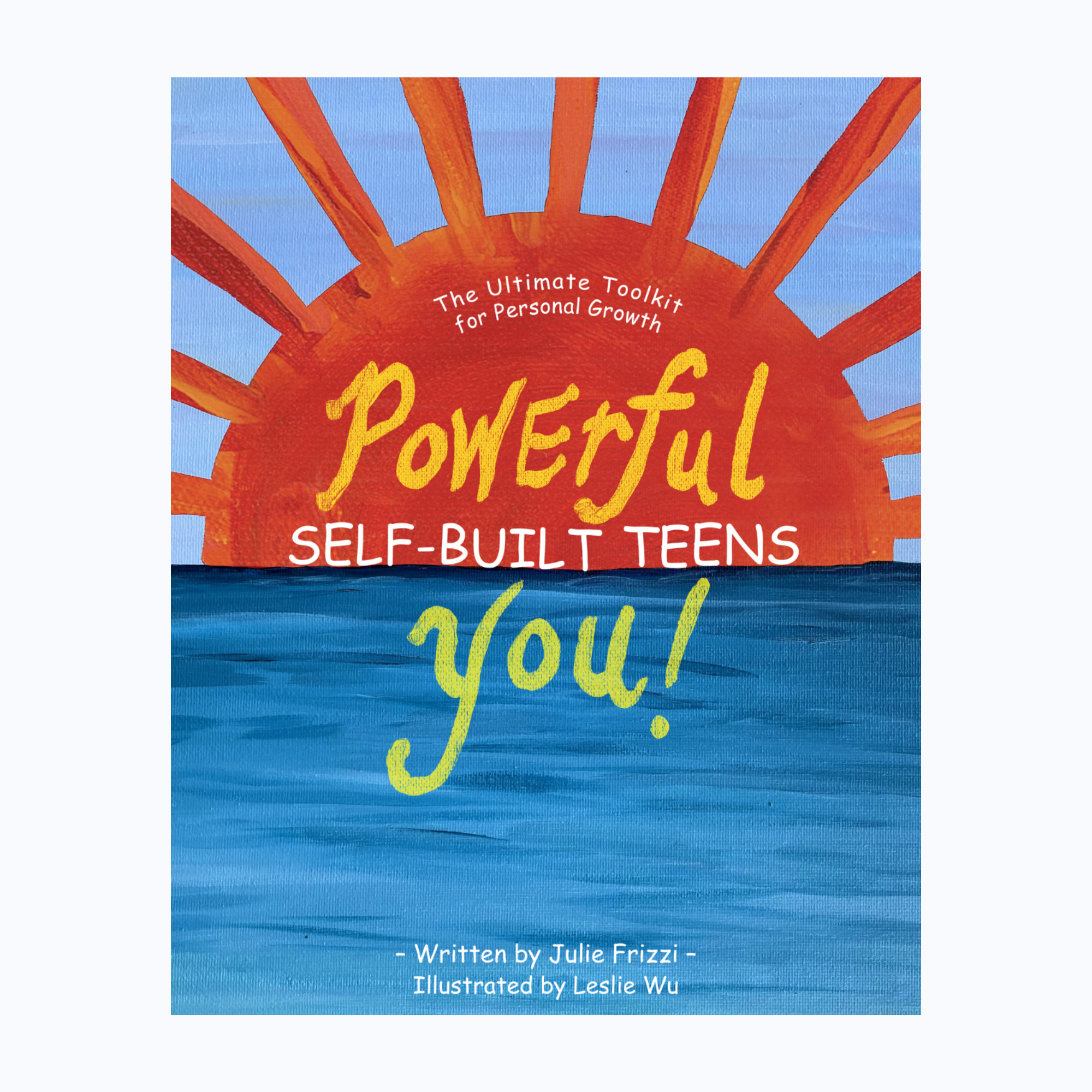
Help teens build confidence, connection, and essential life skills—one letter at a time!
Powerful You: Self-Built Teens is an engaging A–Z life skills workbook designed for parents, school counselors, educators, and anyone supporting teens.
Each lesson includes a short, relatable story and reflective turn-and-talk prompts that encourage meaningful conversations, self-awareness, positive choices, and stronger relationships.
What's Inside:
26 A–Z life skills lessons
Short stories that spark reflection and discussion
Turn-and-talk prompts that build connection
Mindful chair stretches to release tension and re-energize learning
Practical activities that encourage problem-solving and self-management
Inspired by Real Teens
As a district school counselor, Julie Frizzi listened to students share what would help them feel more connected at school. Their ideas included short movement breaks, time to reflect with classmates, and fun icebreaker activities.
Self-Built Teens brings those ideas together in an easy-to-use resource that helps teens discover their strengths, build relationships, and develop tools for everyday life.
Free Stretching Videos
Visit the Self-Built Teens section of the Powerful You website for free stretching videos that accompany each of the 26 lessons.
Want the Matching Life Skill Signs?
Explore the Self-Built Teens Bundle, which includes the printed book and a digital collection of all 26 matching life skill signs.
Format: Printed book
Powerful You — Breathe • Stretch • Life Skills