

Help teens notice frustration and pause with this actionable lesson from the Self-Built Teens Workbook. Whether it's conquering anxiety, fostering mindfulness, or building emotional resilience, Lesson P sets the stage for meaningful growth.
Positive Self-Talk
“I pause with anger.”
How to Use This Lesson
1. Meet the Powerful You Teen
Introduce Pausing Paulina and the lesson theme, Pause: How to Move Through Anger. Discuss how anger is a natural emotion that can give us important information about our needs, boundaries, and experiences. Ask teens, “Have you ever reacted angrily and later wished you had handled the situation differently?” Explain that we cannot always control what happens around us, but we can learn to pause and choose how we respond.
2. Practice Positive Self-Talk
Introduce Paulina's phrase: “I pause with anger.” Encourage teens to repeat it silently and consider how a brief pause can help them respond rather than react.
Discuss how angry thoughts such as “I MUST protect myself” can cause the body to tense and prepare for confrontation. Practice noticing these thoughts without immediately acting on them. Encourage teens to silently say, “Oh, this?” when they recognize anger rising, just as Paulina learned to do.
Remind teens that anger itself isn't wrong. The goal is to recognize the feeling, make space for it, and choose a safe response.
3. Breathe & Stretch
Use the FREE 5-minute classroom chair-stretch video below or lead the Rocking Star movement from the Self-Built Teens book.
Stand with your feet wide apart and stretch your arms out to the sides, creating a star shape with your body. Inhale deeply, lengthening through your arms and spine. Exhale slowly while keeping your chest lifted.
Begin gently rocking from side to side like the pendulum of a clock. At any moment, pause and freeze your body in place. For an added challenge, try balancing on one foot.
Discuss how stopping the body's movement can remind us that we also have the power to pause before reacting to anger.
4. Read the Story & Reflect
Read Paulina's story from the Self-Built Teens book. Discuss how Paulina experienced bullying when she was younger and developed a habit of protecting herself through anger. As she grew older, her clenched fists, tight jaw, and tense forehead became signals that she was feeling threatened.
Explore how Paulina learned to recognize these body signals, pause, breathe, and choose a safer response.
Use the book's reflection and journaling prompts for group discussion, partner sharing, or private writing. Ask, “How does your body alert you when you're angry?” and “What are some safe ways to release the energy of anger?” Encourage teens to reflect on what uncomfortable emotions can teach them about themselves.
5. Connect with a Breaker Activity
If time permits, lead the book's Pause Activity to help teens remember to create space between an upsetting event and their response.
Provide note cards and invite teens to draw a large pause symbol on each card. Beneath the symbol, write the words “Pause. Breathe. Relax.”
Discuss situations where anger commonly appears, such as disagreements with friends, stressful schoolwork, or feeling misunderstood. Invite teens to place their reminder cards somewhere they will see them regularly.
Practice using the cards by imagining a frustrating situation, taking a slow breath, and choosing a thoughtful response.
6. Display the Skill Sign
Display Pause: How to Move Through Anger, featuring Pausing Paulina.
Review the five strategies on the sign:
Recognize the Energy: Notice the physical energy of anger and allow it to move through you without immediately acting on it.
Pause Before Reacting: Take a breath, count silently, or step away to create space.
Change the Way You Look at the Situation: Consider whether another perspective could change how you feel.
Let Them: Release the need to control others and focus on understanding yourself.
Practice Compassion: Remember that others may be doing the best they can with the skills they have.
Invite teens to choose one strategy they could use the next time they feel angry. Reinforce the message:
“Pause. Breathe. Respond with intention. You can choose calm.”
7. Practice at Home
Encourage teens to notice the first physical signals of anger during everyday situations. Invite them to practice pausing, taking a breath, and choosing their response before speaking or acting.
Share the FREE 20-minute home yoga video or the 5-minute parent chair-stretch video below. Encourage families to practice pausing together and discuss how breathing, movement, and positive self-talk can help everyone handle frustration with greater awareness and compassion.
Chair Stretch Video
Parent Chair Stretch Video
20-Minute Home Yoga Video
Journaling Song
Don’t Have the Workbook Yet? Get the Self-Built Teens Workbook—Empower Teens Today
With Self-Built Teens Workbook, each lesson builds confidence, resilience, and emotional awareness. Lesson A is just the beginning of a journey toward empowerment and thriving.
Start Building Confidence Today : Explore the A-to-Z Guide Now
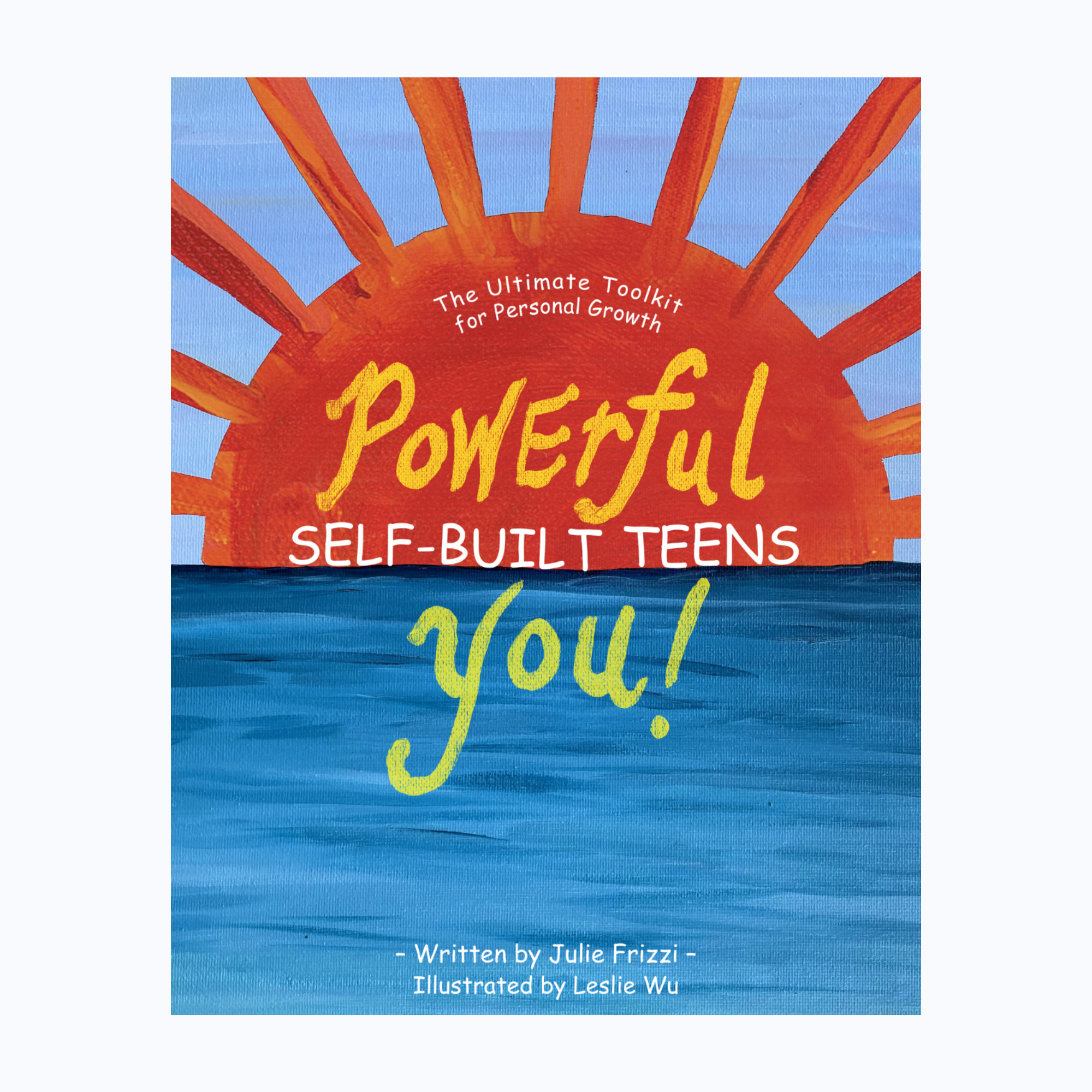
Help teens build confidence, connection, and essential life skills—one letter at a time!
Powerful You: Self-Built Teens is an engaging A–Z life skills workbook designed for parents, school counselors, educators, and anyone supporting teens.
Each lesson includes a short, relatable story and reflective turn-and-talk prompts that encourage meaningful conversations, self-awareness, positive choices, and stronger relationships.
What's Inside:
26 A–Z life skills lessons
Short stories that spark reflection and discussion
Turn-and-talk prompts that build connection
Mindful chair stretches to release tension and re-energize learning
Practical activities that encourage problem-solving and self-management
Inspired by Real Teens
As a district school counselor, Julie Frizzi listened to students share what would help them feel more connected at school. Their ideas included short movement breaks, time to reflect with classmates, and fun icebreaker activities.
Self-Built Teens brings those ideas together in an easy-to-use resource that helps teens discover their strengths, build relationships, and develop tools for everyday life.
Free Stretching Videos
Visit the Self-Built Teens section of the Powerful You website for free stretching videos that accompany each of the 26 lessons.
Want the Matching Life Skill Signs?
Explore the Self-Built Teens Bundle, which includes the printed book and a digital collection of all 26 matching life skill signs.
Format: Printed book
Powerful You — Breathe • Stretch • Life Skills