

Help teens to know themselves, love and trust themselves, and learn to spend time their own company. They will listen to their innermost self with this actionable lesson from the Self-Built Teens Workbook. Whether it's conquering anxiety, fostering mindfulness, or building emotional resilience, Lesson T sets the stage for meaningful growth.
Positive Self-Talk
“I trust myself.”
How to Use Lesson T
1. Meet the Powerful You Teen
Introduce Trusting Trina and the lesson theme, Trust Yourself.
Discuss what it means to trust yourself, make decisions with confidence, and recognize your own strengths.
Explain that self-trust grows when we acknowledge our successes, learn from mistakes, and follow through on our commitments.
2. Practice Positive Self-Talk
Introduce Trina's phrase: “I trust myself.”
Encourage teens to repeat the statement silently while taking a slow breath.
Discuss how thoughts such as “I'm never good enough” can weaken confidence and affect how we treat others.
Practice replacing self-criticism with supportive statements such as “I can learn from my mistakes,” “I recognize my strengths,” and “I can make thoughtful decisions.”
Remind teens that trusting yourself doesn't mean having all the answers. It means believing in your ability to learn, grow, and seek guidance when needed.
3. Breathe & Stretch
Use the free 5-minute classroom chair-stretch video below or lead the Reverse Table Top Stretch from the Self-Built Teens book.
Sit tall with both legs together and extended in front of you. Hold the sides of your chair.
Press your feet into the floor and gently roll your shoulders back to open your chest. Take a deep breath, imagining your rib cage expanding like an umbrella.
If comfortable and safe, press through your hands and feet to lift your body slightly off the chair.
Encourage teens to notice the strength and support within their bodies.
4. Read the Story & Reflect
Read Trina's story from the Self-Built Teens book.
Discuss how Trina, a dedicated athlete, focused so much on her mistakes that her self-criticism began affecting her teammates.
Explore how she changed her thinking by identifying five things she did well and one thing she could improve. This positive 5:1 approach helped her build confidence and strengthen her relationships.
Use the book's reflection and journaling prompts for group discussion, partner sharing, or private writing.
Invite teens to consider:
How would you describe yourself to someone who has never met you?
What is something you have done that makes you proud?
Think of someone you trust completely. How have they earned your trust?
What might change if you worried less about what other people thought of you?
5. Connect with a Breaker Activity
If time permits, lead the book's Trust Yourself Activity.
Invite teens to imagine that a close friend has asked for advice about a problem they are currently facing.
Have them write an email or letter to themselves describing the problem, how they feel, what they are thinking, and what they have already tried.
Then ask them to respond as if they were helping their best friend.
Encourage them to offer themselves the same patience, encouragement, and thoughtful advice they would give someone they care about.
Discuss how changing perspectives can help us recognize our own wisdom and discover new solutions.
6. Display the Skill Sign
Display Trust Yourself: Follow Your Inner Compass, featuring Trusting Tina.
Explore the sign's five reminders:
Finish the Circle: Complete what you start and build confidence by keeping commitments to yourself.
Get Quiet: Create space to hear your own thoughts beneath fear, noise, or comparison.
Listen to Your Body: Notice feelings of tension, tightness, warmth, or ease as information to consider.
Forgive Past Mistakes: Ask, “What did I learn that can guide me next time?”
Celebrate Your Wins: Recognize your successes, even the small ones, and say, “I did that!”
Invite teens to identify one recent accomplishment and one small commitment they can make to themselves this week.
Reinforce the sign's message:
“You know your heart. You know your truth. You are your best guide.”
7. Practice at Home
Encourage teens to practice Trina's positive 5:1 approach by identifying five things they did well and one thing they would like to improve.
Invite them to notice moments when they trust their judgment, follow through on a commitment, or make a decision that reflects their values.
Remind them that self-trust develops through practice, patience, and learning from experience.
Share the free 20-minute home yoga video or the 5-minute parent chair-stretch video below to encourage mindful movement and confidence at home.
Chair Stretch Video
Parent Chair Stretch Video
20-Minute Home Yoga Video
Journaling Song
Don’t Have the Workbook Yet? Get the Self-Built Teens Workbook—Empower Teens Today
With Self-Built Teens Workbook, each lesson builds confidence, resilience, and emotional awareness. Lesson A is just the beginning of a journey toward empowerment and thriving.
Start Building Confidence Today : Explore the A-to-Z Guide Now
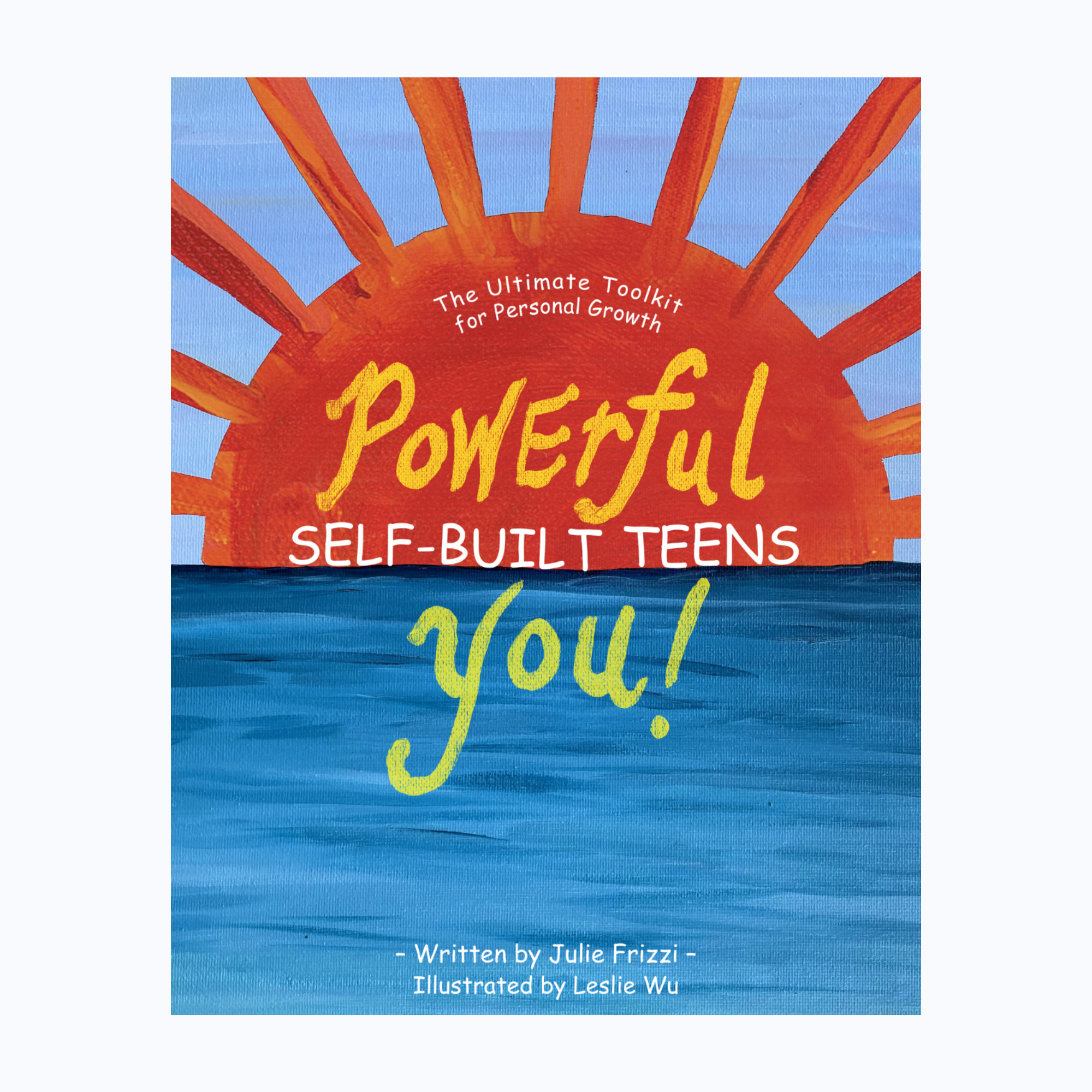
Help teens build confidence, connection, and essential life skills—one letter at a time!
Powerful You: Self-Built Teens is an engaging A–Z life skills workbook designed for parents, school counselors, educators, and anyone supporting teens.
Each lesson includes a short, relatable story and reflective turn-and-talk prompts that encourage meaningful conversations, self-awareness, positive choices, and stronger relationships.
What's Inside:
26 A–Z life skills lessons
Short stories that spark reflection and discussion
Turn-and-talk prompts that build connection
Mindful chair stretches to release tension and re-energize learning
Practical activities that encourage problem-solving and self-management
Inspired by Real Teens
As a district school counselor, Julie Frizzi listened to students share what would help them feel more connected at school. Their ideas included short movement breaks, time to reflect with classmates, and fun icebreaker activities.
Self-Built Teens brings those ideas together in an easy-to-use resource that helps teens discover their strengths, build relationships, and develop tools for everyday life.
Free Stretching Videos
Visit the Self-Built Teens section of the Powerful You website for free stretching videos that accompany each of the 26 lessons.
Want the Matching Life Skill Signs?
Explore the Self-Built Teens Bundle, which includes the printed book and a digital collection of all 26 matching life skill signs.
Format: Printed book
Powerful You — Breathe • Stretch • Life Skills