
Help teens recognize the importance of staying instead of running from problems with this actionable lesson from the Self-Built Teens Workbook. Whether it's conquering anxiety, fostering mindfulness, or building emotional resilience, Lesson S sets the stage for meaningful growth.
Positive Self-Talk
“I stay through struggles.”
How to Use Lesson S
1. Meet the Powerful You Teen
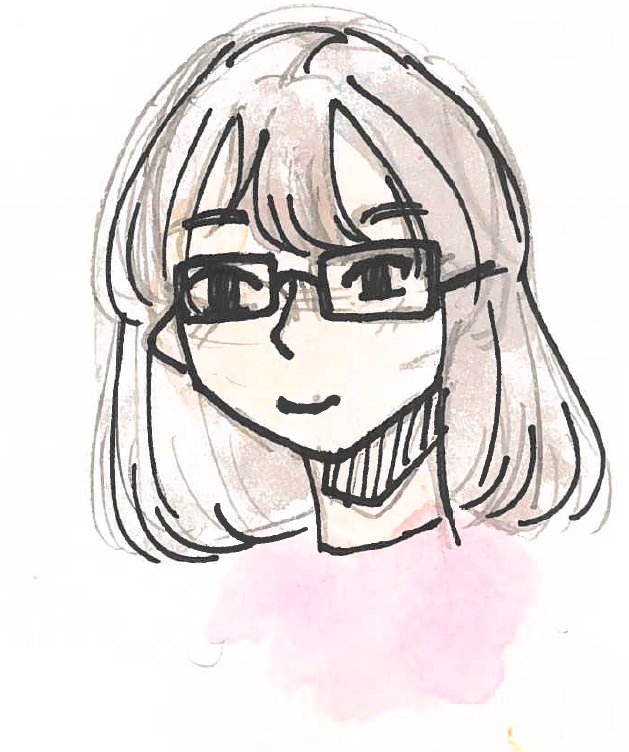
Introduce Staying Steph and the lesson theme, Stay Through Struggles.
Discuss how challenges and uncomfortable feelings can make us want to escape, give up, or avoid a situation.
Explain that staying through struggles means learning to face difficult emotions, understand what they are telling us, and move forward with greater awareness.
2. Practice Positive Self-Talk
Introduce Steph's phrase: “I stay through struggles.”
Encourage teens to repeat the statement silently while taking a slow breath.
Discuss how thoughts such as “I can't handle this” or “I need to get away” can intensify uncomfortable feelings.
Practice replacing those thoughts with supportive statements such as “I can take this one step at a time” or “This feeling will pass.”
Remind teens that staying through struggles does not mean remaining in an unsafe situation. It means developing the courage to work through challenges while seeking support when needed.
3. Breathe & Stretch
Use the free 5-minute classroom chair-stretch video below or lead the Side Angle Stretch from the Self-Built Teens book.
Move toward the edge of your chair. Extend your right leg straight to the side, keeping your foot flat and toes pointing forward.
Bend your left knee and bring your left elbow toward your left thigh as you reach your right arm overhead. Take three expansive breaths, then switch sides.
Encourage teens to notice how stretching and breathing can help release tension and create space when emotions feel overwhelming.
4. Read the Story & Reflect
Read Steph's story from the Self-Built Teens book.
Discuss how Steph felt abandoned when her mother left at a young age. Her difficult feelings often surfaced during conflicts, and fleeing became her first response.
Explore how Steph noticed tension in her hands and throughout her body. Through yoga, she learned to stay present with difficult feelings rather than immediately running away.
Use the book's reflection and journaling prompts for group discussion, partner sharing, or private writing.
Invite teens to consider:
Why do people sometimes want to run away from problems?
What does a safe place look or feel like to you?
How have you changed since the last school year?
Is there a challenge you have been avoiding? What is one safe, manageable step you could take toward addressing it?
5. Connect with a Breaker Activity
If time permits, lead the book's Problem Balls Group Activity.
Have everyone stand in a circle and privately think of a life problem. Each participant crumples two sheets of paper into balls, imagining they represent that problem.
Begin by tossing one paper ball around the circle so everyone has a chance to catch it. Gradually introduce additional balls and increase the pace. Finally, allow participants to toss the balls freely around the circle.
Discuss the activity's takeaways:
Several problems may come your way at once. Prioritize them.
Sometimes you notice problems coming, and sometimes you don't.
When you spend all your energy catching other people's problems, you may have less energy to address your own.
Connect the experience to managing stress and knowing when to ask for help.
6. Display the Skill Sign
Display Stay Through Struggles: Triggers Are Teachers, featuring Staying Stephanie.
Explain that a trigger is an experience that brings up a strong emotional or physical reaction. Invite teens to explore the sign's reminders:
When You Feel Triggered: Notice the discomfort rather than immediately reacting.
The Trigger Is a Mirror: Ask what deeper feeling or unmet need may be underneath the reaction.
Be Like Water: Allow feelings to move through you instead of fighting them.
Scan Your Day for Triggers: Notice recurring situations or patterns.
You Are Vast: Remember that you are more than one difficult feeling or reaction.
Encourage teens to notice where strong emotions show up in their bodies and practice taking a few slow breaths before choosing their next step.
Reinforce the sign's message:
“Discomfort is temporary. Growth is permanent.”
7. Practice at Home
Encourage teens to notice one challenging moment during the week and reflect on how they responded.
Invite them to ask themselves: “What was I feeling? Where did I feel it in my body? What helped me stay present? What support did I need?”
Remind them that progress can begin with a single breath, a small step, or reaching out to someone they trust.
Share the free 20-minute home yoga video or the 5-minute parent chair-stretch video below to encourage mindful movement and emotional awareness at home.
Chair Stretch Video
Parent Chair Stretch Video
20-Minute Home Yoga Video
Journaling Song
Don’t Have the Workbook Yet? Get the Self-Built Teens Workbook—Empower Teens Today
With Self-Built Teens Workbook, each lesson builds confidence, resilience, and emotional awareness. Lesson A is just the beginning of a journey toward empowerment and thriving.
Start Building Confidence Today : Explore the A-to-Z Guide Now
Help teens build confidence, connection, and essential life skills—one letter at a time!
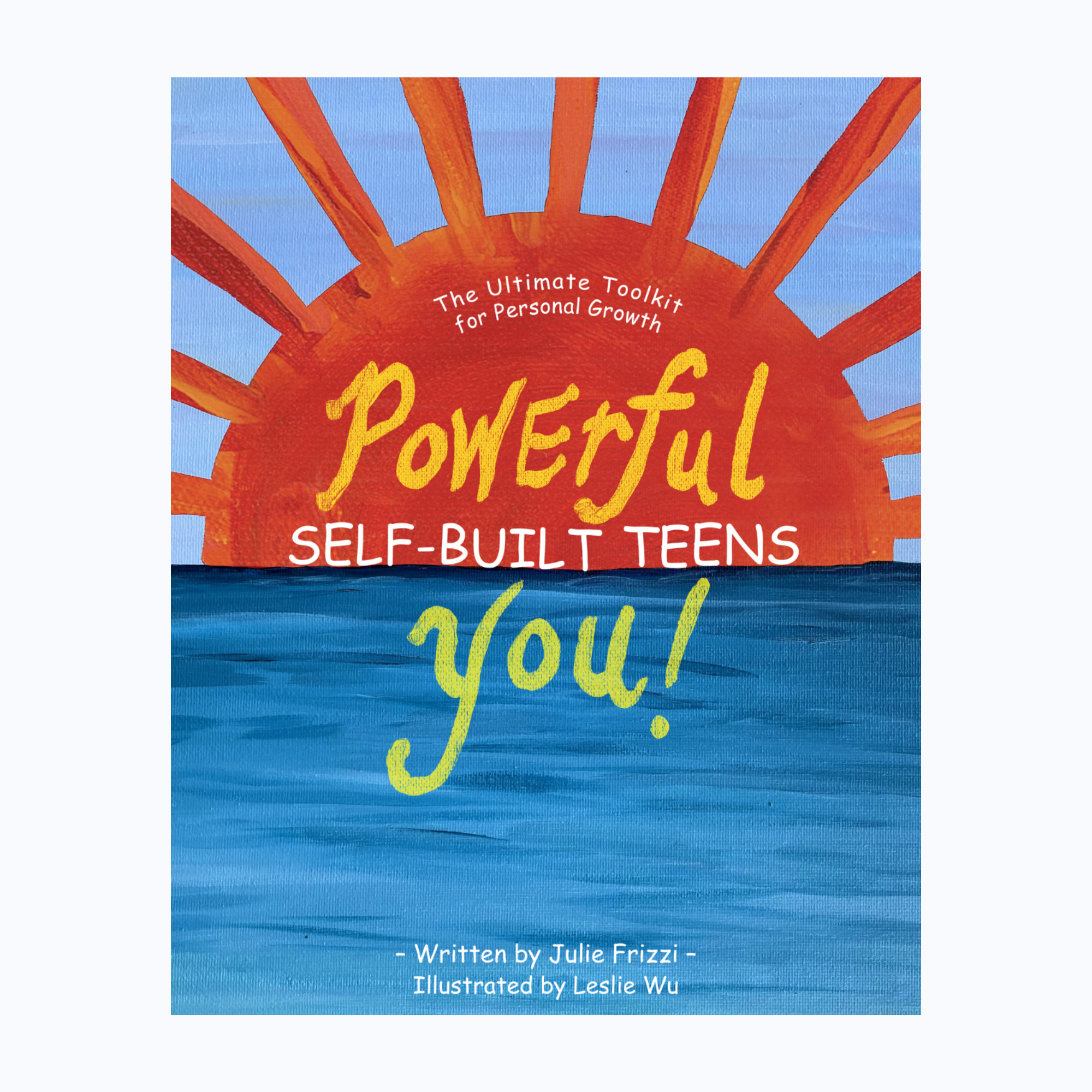
Powerful You: Self-Built Teens is an engaging A–Z life skills workbook designed for parents, school counselors, educators, and anyone supporting teens.
Each lesson includes a short, relatable story and reflective turn-and-talk prompts that encourage meaningful conversations, self-awareness, positive choices, and stronger relationships.
What's Inside:
26 A–Z life skills lessons
Short stories that spark reflection and discussion
Turn-and-talk prompts that build connection
Mindful chair stretches to release tension and re-energize learning
Practical activities that encourage problem-solving and self-management
Inspired by Real Teens
As a district school counselor, Julie Frizzi listened to students share what would help them feel more connected at school. Their ideas included short movement breaks, time to reflect with classmates, and fun icebreaker activities.
Self-Built Teens brings those ideas together in an easy-to-use resource that helps teens discover their strengths, build relationships, and develop tools for everyday life.
Free Stretching Videos
Visit the Self-Built Teens section of the Powerful You website for free stretching videos that accompany each of the 26 lessons.
Want the Matching Life Skill Signs?
Explore the Self-Built Teens Bundle, which includes the printed book and a digital collection of all 26 matching life skill signs.
Format: Printed book
Powerful You — Breathe • Stretch • Life Skills