

Help teens love themselves with the actionable lesson from the Self-Built Teens Workbook. Whether it's conquering anxiety, fostering mindfulness, or building emotional resilience, Lesson R sets the stage for meaningful growth.
Positive Self-Talk
“I receive self-kindness.”
How to Use Lesson R
1. Meet the Powerful You Teen
Introduce Receiving Rebecca and the lesson theme, Receive Self-Kindness: How to Respond with Compassion Instead of Judgment.
Discuss how easy it can be to criticize ourselves when we make mistakes, receive a disappointing grade, or feel we haven't met expectations. Ask teens, “Do you sometimes speak to yourself more harshly than you would speak to a friend?”
Explain that self-kindness means treating ourselves with understanding and compassion, especially when things are difficult.
2. Practice Positive Self-Talk
Introduce Rebecca's phrase: “I receive self-kindness.”
Encourage teens to repeat it silently while taking a slow breath.
Discuss how thoughts such as “I am a failure” can make a difficult experience even harder. Practice replacing harsh self-judgment with supportive statements such as “I am learning,” “My best effort is enough,” or “One mistake does not define me.”
Remind teens that positive self-talk is not about pretending everything is perfect. It is about supporting ourselves as we learn and grow.
3. Breathe & Stretch
Use the free 5-minute classroom chair-stretch video below or lead the Clam Shell Stretch from the Self-Built Teens book.
Sit tall with both arms extended straight in front of you. Keeping your hips grounded in the chair, slowly open your right arm toward the back of the room, allowing your upper body to rotate gently. Return to center and repeat on the other side.
Continue moving slowly from side to side with your breath.
Encourage teens to imagine breathing in compassion and letting go of self-criticism as they exhale.
4. Read the Story & Reflect
Read Rebecca's story from the Self-Built Teens book.
Discuss how Rebecca judged herself harshly after receiving a poor grade. She began to recognize that struggles are a normal part of life and that her grades and other people's opinions did not define her worth.
Use the book's reflection and journaling prompts for group discussion, partner sharing, or private writing.
Invite teens to consider:
What is one healthy thing you can do to support yourself when you are stressed?
What positive character traits do you recognize in yourself?
What kind statement can you say to yourself when you need support?
What did you do well today?
Reinforce that doing your best can look different from day to day.
5. Connect with an Activity
If time permits, lead the book's Self-Kindness Vision Board Activity.
Invite teens to create a collage of pictures, words, colors, and symbols that inspire, encourage, and comfort them.
They can include images from magazines, their own drawings, positive self-talk statements, and reminders of people, places, or activities that help them feel supported.
Encourage teens to think about their senses: sounds that soothe them, sights that bring calm, tastes they enjoy, comforting smells, and textures that feel pleasant.
Invite volunteers to share one part of their vision board and explain how it reminds them to practice self-kindness.
6. Display the Skill Sign
Display Receive Self-Kindness: How to Respond with Compassion Instead of Judgment, featuring Receiving Rebecca.
Explore the sign's three practices for wishing inner wellness:
Yourself: “May I be safe. May I be happy. May I be healthy. May I live in peace.”
Friends and Family: Extend these same wishes to people you care about.
People Who Are Hurting or Acting Unkindly: Practice extending wishes for wellness to others, while still maintaining healthy boundaries.
Invite teens to place a hand over their heart, if comfortable, and silently repeat one kind wish for themselves.
Reinforce the message:
“Kindness begins with you. You deserve the same compassion you give.”
7. Practice at Home
Encourage teens to notice their inner voice throughout the week, especially when they make mistakes or experience disappointment.
Invite them to practice replacing one harsh thought with a compassionate statement. They might also place their vision board somewhere visible as a daily reminder.
Share the free 20-minute home yoga video or the 5-minute parent chair-stretch video below to encourage mindful movement and self-kindness at home.
Chair Stretch Video
Parent Chair Stretch Video
20-Minute Home Yoga Video
Journaling Song
Don’t Have the Workbook Yet? Get the Self-Built Teens Workbook—Empower Teens Today
With Self-Built Teens Workbook, each lesson builds confidence, resilience, and emotional awareness. Lesson A is just the beginning of a journey toward empowerment and thriving.
Start Building Confidence Today : Explore the A-to-Z Guide Now
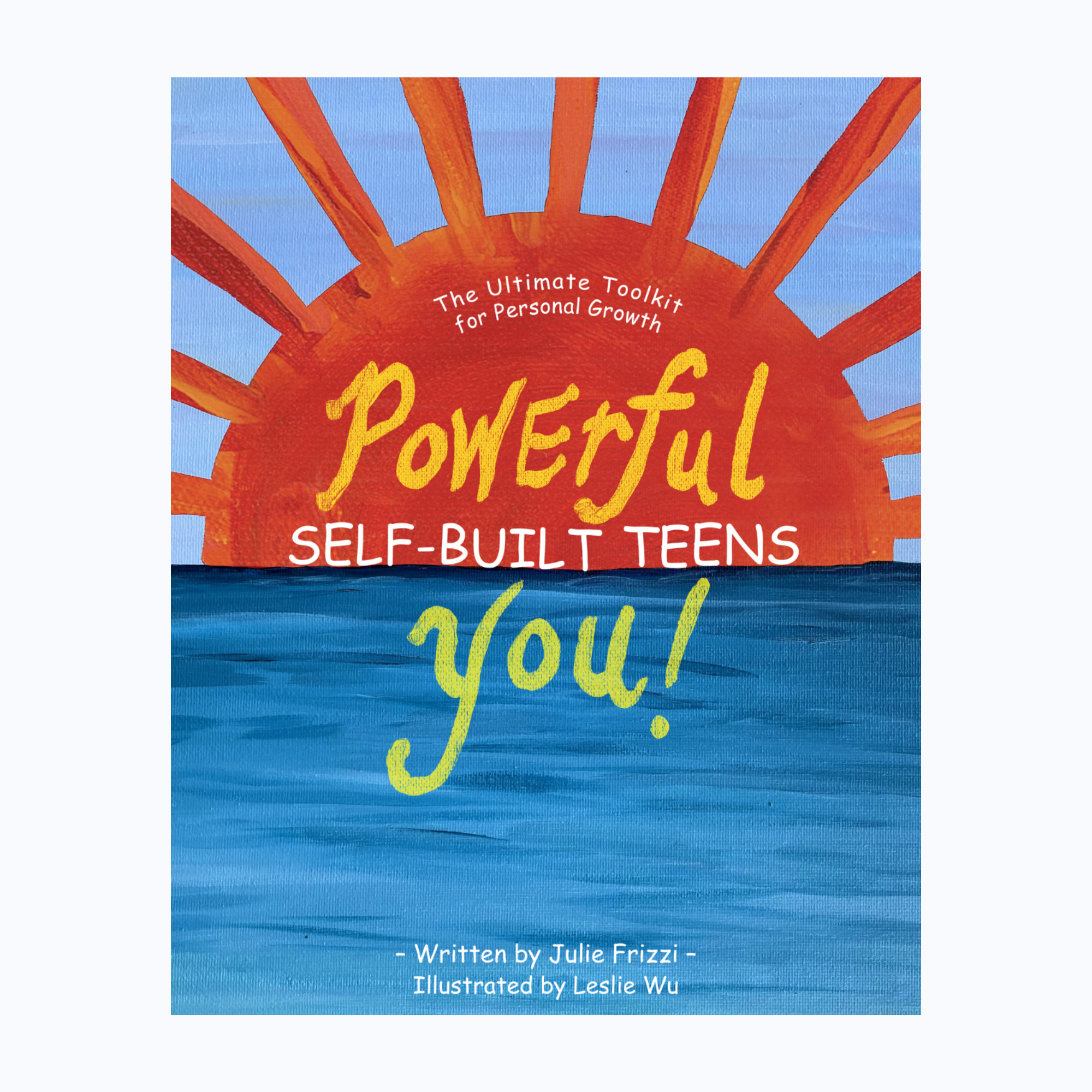
Help teens build confidence, connection, and essential life skills—one letter at a time!
Powerful You: Self-Built Teens is an engaging A–Z life skills workbook designed for parents, school counselors, educators, and anyone supporting teens.
Each lesson includes a short, relatable story and reflective turn-and-talk prompts that encourage meaningful conversations, self-awareness, positive choices, and stronger relationships.
What's Inside:
26 A–Z life skills lessons
Short stories that spark reflection and discussion
Turn-and-talk prompts that build connection
Mindful chair stretches to release tension and re-energize learning
Practical activities that encourage problem-solving and self-management
Inspired by Real Teens
As a district school counselor, Julie Frizzi listened to students share what would help them feel more connected at school. Their ideas included short movement breaks, time to reflect with classmates, and fun icebreaker activities.
Self-Built Teens brings those ideas together in an easy-to-use resource that helps teens discover their strengths, build relationships, and develop tools for everyday life.
Free Stretching Videos
Visit the Self-Built Teens section of the Powerful You website for free stretching videos that accompany each of the 26 lessons.
Want the Matching Life Skill Signs?
Explore the Self-Built Teens Bundle, which includes the printed book and a digital collection of all 26 matching life skill signs.
Format: Printed book
Powerful You — Breathe • Stretch • Life Skills