
Tenacious Tim helps children discover how persistence and creative thinking can help them work through challenges. Kids explore ways to approach problems, consider different solutions, and keep trying when things don't go as planned.

POSITIVE SELF-TALK
“I TRY different solutions.”
How to Use This Lesson
1. Meet Tenacious Tim
Introduce Tenacious Tim and explore how trying different solutions can help us solve everyday problems.
Help children understand that not every problem has an easy answer. Sometimes our first idea doesn't work, and that's okay!
Tim reminds us to stay flexible, think about our choices, and keep trying until we find a helpful solution.
2. Practice Positive Self-Talk
Say Tim's positive self-talk phrase together:
“I TRY different solutions.”
First, say it out loud. Then practice saying it silently in your mind.
Encourage children to use these words when they face a challenge, disagreement, or problem they aren't sure how to solve.
3. Share the Skill Sign
Print and display Tenacious Tim's Problem Solving Strategies where children will see it often.
Explore Tim's different ways to solve problems:
Share: Find a way for everyone to enjoy something.
Trade: Exchange items or activities when both people agree.
Apologize: Take responsibility when you've made a mistake.
Ignore: Choose not to respond to minor attention-seeking behavior when it's safe to do so.
Keep / Start / Stop: Talk about what is working, what could begin, and what needs to change.
Pause / Breathe / Relax: Give yourself time to think before responding.
Rock, Paper, Scissors or Flip a Coin: Use a fair way to make a small decision.
Get Help: Ask someone to help solve the problem.
Take Turns: Give everyone a chance.
Talk Calmly: Use a respectful voice to explain your thoughts.
Use Humor: Find a lighthearted way to ease tension when appropriate.
Walk Away: Take space when a situation is becoming upsetting.
Talk to a Parent or Trusted Adult: Ask for guidance and support.
Use “I” Statements
Tim also teaches children how to explain their feelings and ask for what they need:
“I feel ______ when you ______.”
“Would you please ______?”
For example:
“I feel frustrated when you take my things without asking. Would you please ask me first?”
Invite children to choose two or three strategies to practice throughout the day.
4. Breathe and Stretch
Take a few minutes to breathe and move together.
Use the stretches from the Breathe and Stretch book or follow Tenacious Tim's movement video.
Encourage children to notice how their bodies and minds feel before and after moving.
Talk about how taking a calming breath can help us think more clearly when facing a problem.
5. Read the Story
Bring Tenacious Tim to life! Read his story from the Powerful You book with expression and enthusiasm.
Invite children to notice what Tim learns about solving problems, staying flexible, and trying different approaches.
6. Reflect and Connect
Use Tim's Reflect & Shine questions from the Powerful You book to encourage meaningful conversations.
Invite children to share a time their first solution didn't work. What did they try next?
Talk about how being willing to try something different can help us become more confident problem-solvers.
7. Explore Optional Activities
Choose an activity from the Powerful You book to reinforce Tim's lesson.
You can also try a Pick a Solution activity.
Present a simple everyday problem, such as two children wanting the same toy or friends disagreeing about which game to play.
Invite children to choose three possible solutions from Tim's sign.
Talk about which solution might work best and why.
Remind children that if one solution doesn't work, they can try another!
8. Lights, Camera, Action! — Role-Play
Bring the lesson to life with role-playing!
Use the Powerful You laminated scenario cards or create your own everyday situations.
Invite children to practice sharing, taking turns, apologizing, calmly expressing their feelings, or asking an adult for help.
Encourage them to use Tim's “I” statements and explore more than one possible solution.
Keep it playful, encouraging, and fun!
Remember: “I TRY different solutions.”
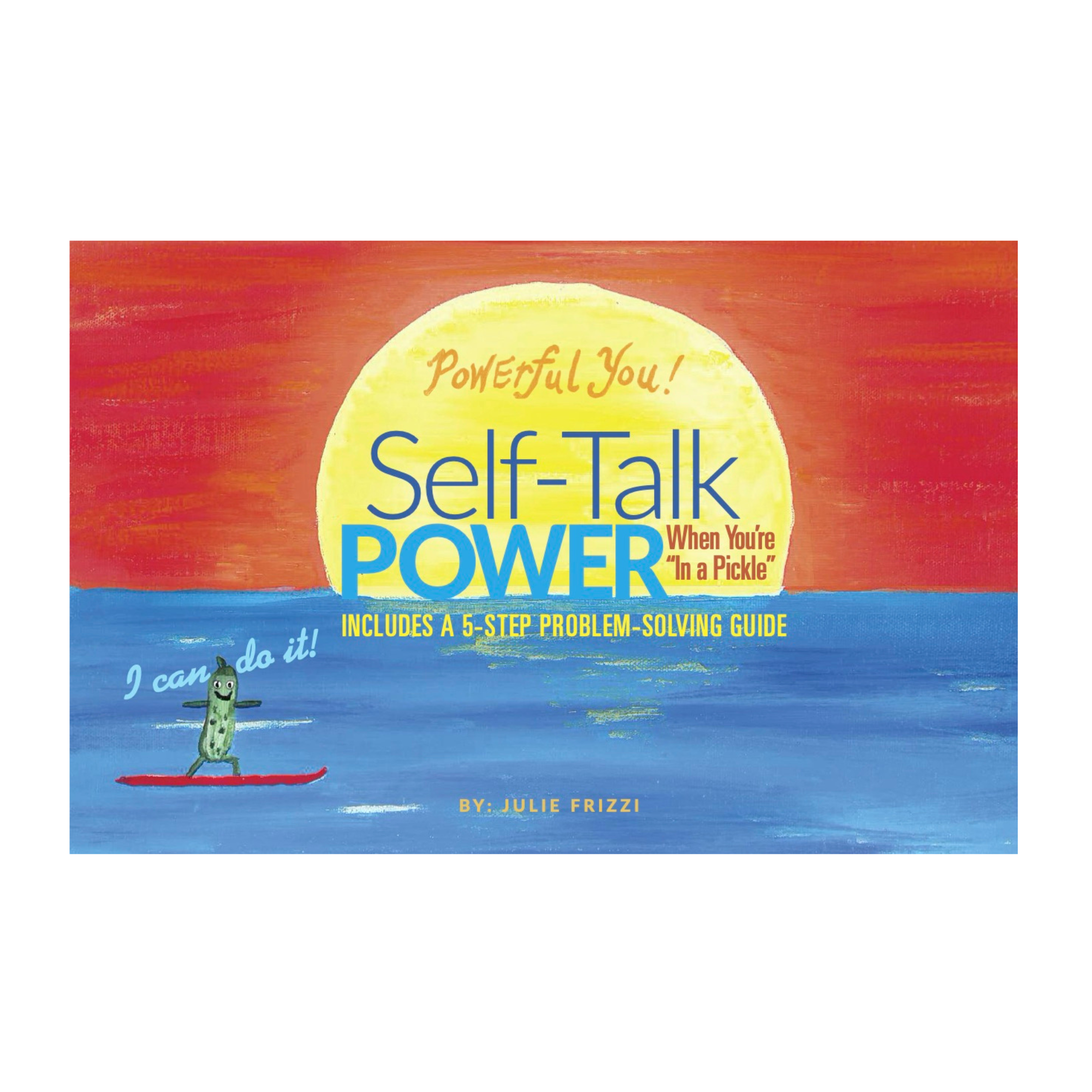
Self-Talk Power – When You’re in a Pickle is an empowering story that helps children understand how thoughts influence feelings, choices, and outcomes. Perfect for ages 8 and up, this relatable book introduces readers to Polly Pickle, a character who feels stuck in a frustrating cycle of the same negative thoughts, the same unpleasant emotions, and the same repeated actions.
When Polly realizes she is trapped in a “pickle,” she learns how to recognize unhelpful thinking patterns and retrain her brain through positive self-talk. As she changes her thoughts, she begins to make stronger choices, build confidence, and create better results.
This engaging story gives children practical tools for emotional growth while teaching the power of mindset, resilience, and personal responsibility. It is a valuable resource for parents, counselors, educators, and anyone supporting children through challenges.
Included in the book:
A relatable story that teaches the connection between thoughts, feelings, and behavior
A 5-Step Problem-Solving Guide to help children work through challenges
Two printable charts to identify habitual thought patterns
A sequential planning tool to help children move forward with confidence
Strategies for building resilience and positive thinking habits
Self-Talk Power – When You’re in a Pickle helps children discover that when they change their inner voice, they can change their life.
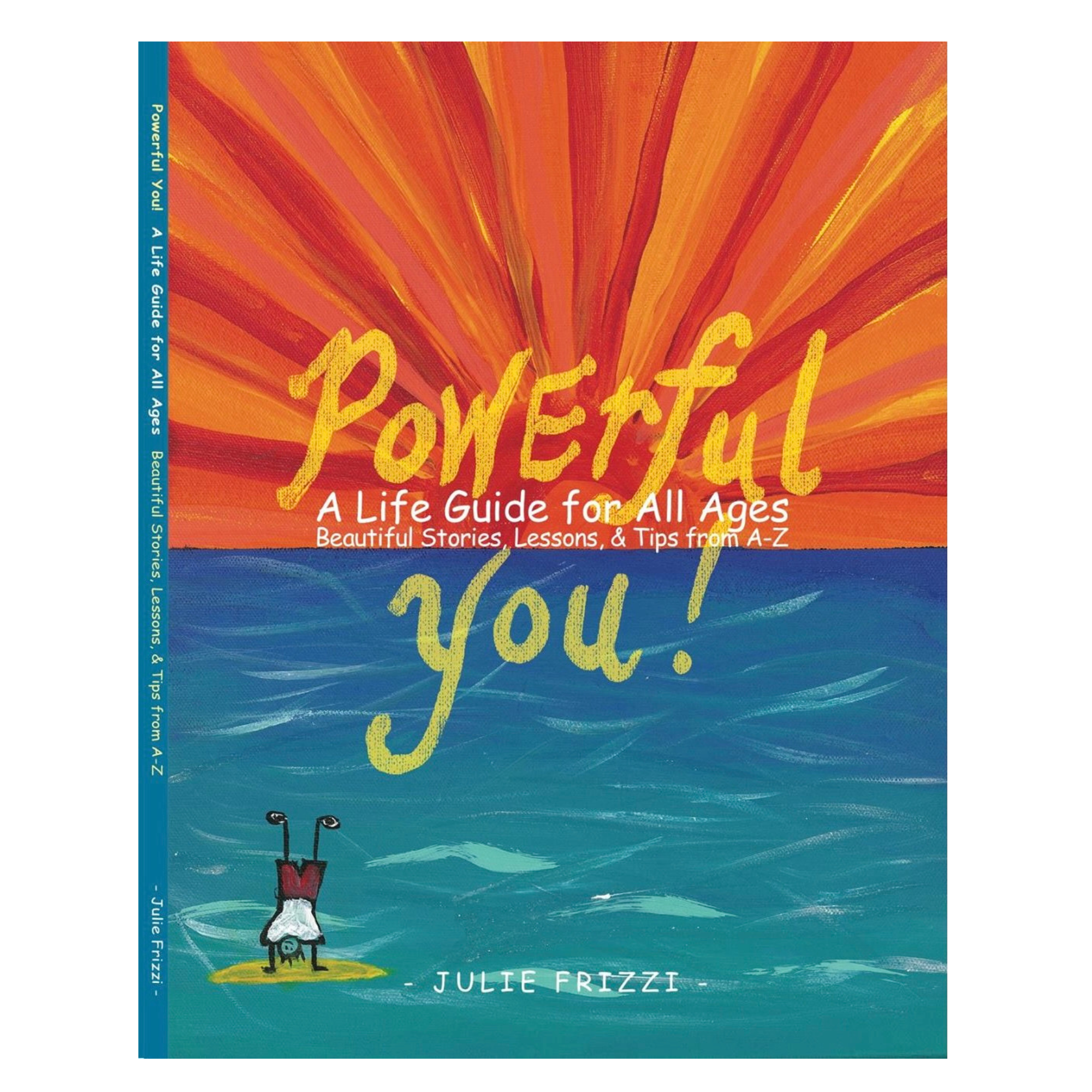
Powerful You is a grab-and-go counseling resource designed to make group and classroom counseling simple, meaningful, and effective. Packed with 26 short, easy-to-use themed lessons, this book helps counselors, educators, and support staff guide students through important life topics with confidence and care.
Each lesson begins with a true story that reflects real challenges children face, followed by engaging turn-and-talk prompts that encourage student reflection, discussion, and connection. Inspiring quotes, hands-on activities, and practical tips are also included for optional lesson extensions.
Created by a school counselor with more than 35 years of experience listening to and supporting children, these lessons align with ASCA National Standards and explore sensitive school and home issues through a child’s perspective. Powerful You gives adults ready-to-use tools to build emotional awareness, resilience, communication skills, and confidence in students.
To bring each lesson to life, companion Powerful You laminated role-playing cards and colorful classroom signs are also available separately. These engaging tools correspond with every lesson and provide an interactive way for students to practice skills, deepen understanding, and reinforce key concepts.
