
2 Important Times to Take a Diaphragmatic Breath
We tend to take breathing for granted, so it’s no wonder that when we’re asked to focus on our breath, it can feel challenging. Yet noticing your breathing is one of the simplest ways to maintain calm in stressful situations—and like any skill, it becomes more effective with daily practice.
Diaphragmatic breathing is a slow, deep breathing technique that engages the diaphragm so the belly gently rises and falls, helping calm the nervous system and reduce stress.
To practice, inhale deeply and allow the lungs to fill with air. Notice how the lungs press down on the diaphragm, gently pushing the belly outward. Exhale slowly through the nose or mouth, feeling the belly soften and flatten as the breath is released.
1. Take a Breath Before Talking
Have you ever shared something important in a meeting, only to have the next person speak over you or jump in immediately after you finish? Moments like this can leave you feeling unheard or unvalued.
While we can’t control others’ behavior, we can model mindful communication. Pausing to take one or two breaths before speaking creates space and intention.
Classroom Idea:
Invite each person to take a breath before speaking after someone else. This pause:
Gives everyone time to digest what was just said
Signals respect for the previous speaker
Encourages thoughtful, mindful communication
2. Take a Breath Before Acting
When a student disrupts the classroom by expressing anger or frustration, our instinct is often to react immediately to prevent the situation from escalating. Children experience this same urge.
Instead, pause. Take one or two diaphragmatic breaths and use that moment to survey the situation. This brief pause helps you stay regulated and choose the most supportive response for everyone involved.
Classroom Idea:
Before reacting to a big emotion:
Take two slow breaths
Notice sensations of anger or frustration in the body
Allow the breath to create a pause before responding
A Gift to Yourself and Others
Pausing to take one or two diaphragmatic breaths is a simple yet powerful act of self-care. It supports your own regulation and extends calm, presence, and safety to the people you are supporting.
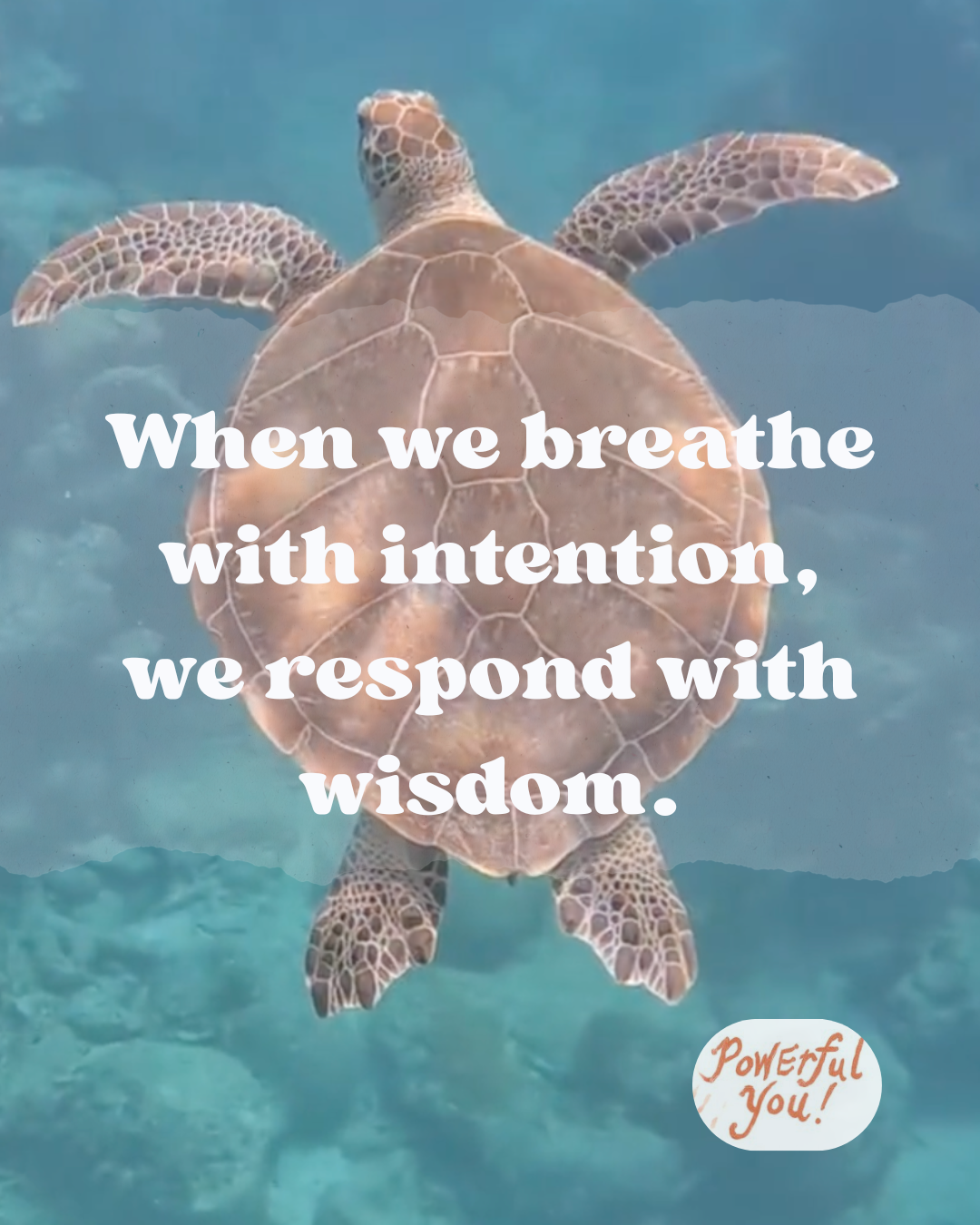
When we breathe with intention, we respond with wisdom.